

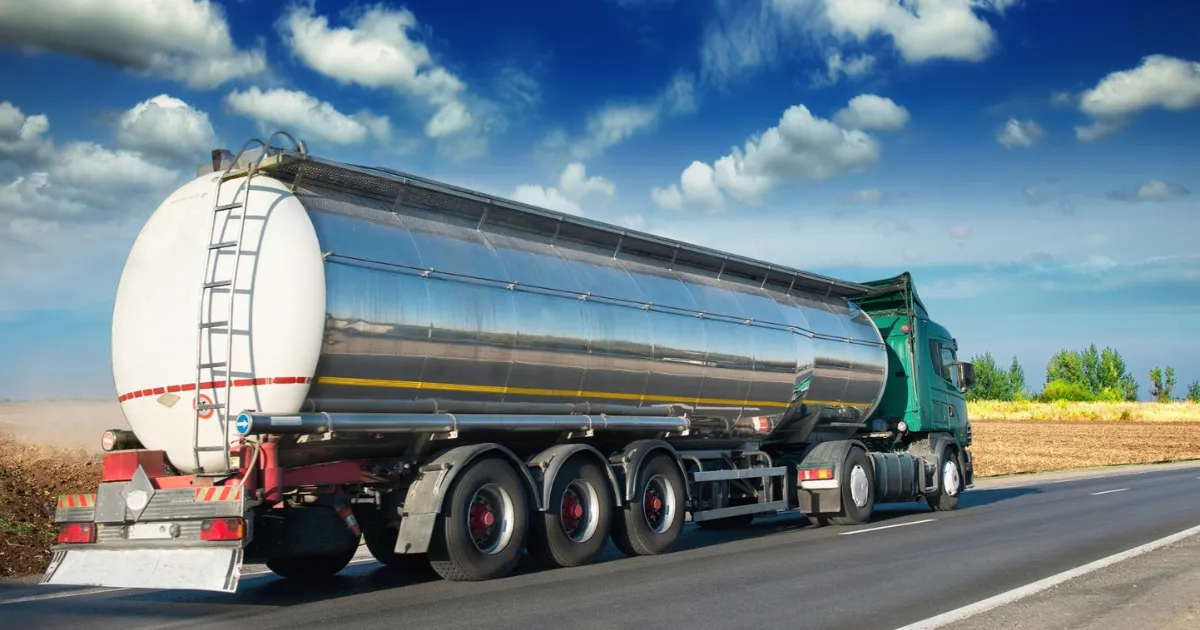
Tanker truck accidents are some of the most devastating and destructive accidents, often resulting in massive property damage, catastrophic injuries, and fatalities. If the truck involved in the crash was transporting hazardous materials, this can pose a serious threat to the motorists involved in the accident. It can also damage the environment and the neighboring property, increasing the risk of a fire, explosion, and exposure to the toxic material.
These accidents can cause a range of life-threatening injuries that often require expensive medical treatment and long-term care. If you suffered a severe injury in a tanker truck accident that involved a hazardous material spill, it is highly recommended that you contact an experienced tanker truck accident lawyer as soon as possible.
What Are Tanker Trucks?
“Tanker trucks” are specifically designed to transport liquids, gases, or powders in a large cylindrical tank. They can range in size, from smaller vehicles that are designed for local deliveries to massive rigs that transport fuel, chemicals, and hazardous materials across state lines.
While some tanker trucks are designed similarly to a tractor-trailer, where they are equipped with a cab that is attached to the cylindrical tank, others are straight trucks where the trailers do not pivot on a hinge. The following are examples of some of the most common types of hazardous materials that are transported in tanker trucks:
- Gasoline
- Diesel fuel
- Ethanol
- Industrial chemicals
- Radioactive materials
- Household petroleum-based products
- Agricultural pesticides
What Is Considered a Hazardous Chemical Material Spill?
According to the Federal Highway Administration (FHWA), hazardous material spills involve “a release of a substance or material that may pose an unreasonable risk of health, safety, or property when transported for commercial purposes.”
Depending on the substance that is being transported and how it reacts under certain circumstances, a hazardous material spill can cause explosions, fires, environmental hazards, and release toxic fumes that can cause long-term harm to the soil, public water systems, and livestock. The Federal Motor Carrier Safety Administration (FMCSA) recognizes the following nine classes of hazardous materials:
- Explosives
- Gases
- Flammable liquid and combustible liquid
- Flammable solid, spontaneously combustible, and dangerous when wet
- Oxidizer and organic peroxide
- Poison (toxic) and poison inhalation hazard
- Radioactive
- Corrosives
- Miscellaneous
Why Are Tanker Truck Accidents So Dangerous?
Tanker truck accidents have many of the same hazards as other truck accidents due to their massive size and weight compared to passenger vehicles. However, there are a range of factors that can make tanker truck accidents even more catastrophic, including the following:
Fires
If a tanker truck is carrying highly flammable materials, there is a significant risk of a fire. Depending on the nature of the accident, the extent of the fire, and the type of flammable material involved, the occupants of the passenger vehicle can suffer devastating burns as well as other catastrophic injuries that will require ongoing or long-term care.
Explosions
This is another serious consequence of an accident involving a tanker truck. Unfortunately, these are more likely to cause devastating fatalities due to the force of impact and the severity of the burn injuries.
Sloshing
When a tanker truck is carrying a liquid, and the tank is three-quarters or less full, the liquid inside the tank can “slosh” around, causing the truck’s weight to shift. This can make it difficult for the truck driver to maintain control of the truck, which increases the risk of a tanker truck accident involving a hazardous spill.
Chemical Leaks and Spills
Anytime a tanker truck is involved in a collision, there is a risk of the contents leaking out of the tank. When the tanker truck is carrying hazardous materials, the leaked or spilled contents can endanger motorists in the vicinity in a number of ways.
For example, the hazardous materials can cause motorists, passengers, and other people in the area to suffer serious health complications from inhaling or coming into contact with the leaked or spilled materials. In addition, if drivers try to avoid the spilled materials by swerving into another lane or suddenly hitting the brakes, this can cause a serious collision.
Chemical Burns
In addition to burns from actual fires and explosions, certain harsh chemicals can cause serious burns that may result in scarring, permanent disfigurement, and other complications, particularly if there is a radioactive spill.
Rollovers
Due to the high center of gravity and the nature of the material that is being transported, there is an increased risk of rollover accidents with tanker trucks. Oftentimes, when a tanker truck is not fully loaded and the contents move around, a rollover accident can occur if the truck driver is unable to maintain control of the vehicle.
How Common Are Hazardous Material Spills?
Unfortunately, tanker truck accidents involving hazardous material spills are more common than you might think, particularly when a truck is carrying gasoline, ethanol, crude oil, and other flammable liquids. Fuel spills can occur in the following circumstances:
- A tanker truck overturns during a rollover accident
- The force of impact causes the fuel tank to rupture
- The valve or hoses in the truck become damaged
- The cargo or liquid in the truck shifts, causing the truck to become unstable and difficult for the driver to maintain control
- A jackknife accident occurs, which may compromise the integrity of the vehicle
- The truck hits a barrier or another vehicle at high speed
What Are the Common Causes of Tanker Truck Accidents?
In most cases, tanker truck accidents are caused by negligent behavior, either by the truck driver, the trucking company, or a third party. Generally, these accidents are preventable if the individuals involved in operating and maintaining the trucks make safety a priority and take the necessary steps to avoid unsafe, negligent behavior. The following are some of the most common causes of tanker truck accidents that result in hazardous material spills:
Drowsy Driving
Like other truck drivers, tanker truck drivers are often under a great deal of pressure to meet tight delivery deadlines. The long hours behind the wheel, combined with not taking the required breaks to get enough sleep, can dramatically increase the risk of a serious truck accident. Common symptoms of drowsiness include slower reaction times, reduced coordination, and poor decision-making skills.
Reckless Driving
This is dangerous regardless of the type of vehicle involved. However, when a tanker truck driver is speeding, weaving in and out of lanes, tailgating, or cutting off other drivers, this can have devastating consequences.
Improper Loading
When loading hazardous material, it is crucial that it is properly sealed, secured, and balanced. Otherwise, there is an increased risk of a catastrophic rollover accident.
Mechanical Failure
When a tanker truck has not been properly maintained, it can result in a horrific truck accident, causing hazardous material to spill from the truck. Examples of mechanical failures that can result in a tanker truck accident include faulty brakes, tire blowouts, and steering systems.
Driver Inexperience
Operating a tanker truck that is carrying hazardous material requires specialized training. If a truck driver has not been properly trained, they may not know how to respond to emergencies, including those involving hazardous material spills.
Third-party Negligence
This may involve the maintenance company that failed to properly maintain the truck, the loading company that did not properly seal or secure the cargo, or another motorist on the road who cut off the truck driver or was driving aggressively.
Who Is Liable for a Tanker Truck Accident?
Truck accidents are more complicated than other accidents because there are a number of parties that may be liable, including the following:
- The tanker truck driver, if they were speeding, distracted, drowsy, or violated any safety regulations.
- The truck company, if they failed to train the driver involved in the accident, did not enforce federal hours of service regulations, or skipped important maintenance checks.
- The cargo loading company, if they improperly loaded the hazardous material, which led to a serious accident involving hazardous material.
- The truck manufacturer is liable if faulty brakes, tires, steering system, or another defective part was responsible for causing the accident.
What Damages Am I Entitled to in a Tanker Truck Accident Claim?
If you were severely injured in a tanker truck accident involving a hazardous material spill, you may be entitled to the following damages:
- All medical expenses associated with your injuries
- Lost wages and loss of future earning capacity
- Property damage
- Pain and suffering
- Disfigurement and scarring
- Loss of enjoyment of life
- “Wrongful death” benefits if the accident resulted in a tragic fatality
The Virginia Beach Tanker Truck Accident Lawyers at Anchor Legal® Represent Victims of Tanker Truck Accidents
If you were seriously injured in a tanker truck accident involving a hazardous material spill, it is highly recommended that you contact a Virginia Beach truck accident lawyer at Anchor Legal as soon as possible. We will assist you with the claims process, determine who is responsible for causing the accident, and recover the maximum damages to which you are entitled. To schedule a free consultation, call today at 757-LAW-0000 or contact us online. Located in Virginia Beach, we proudly serve clients in the surrounding areas.