

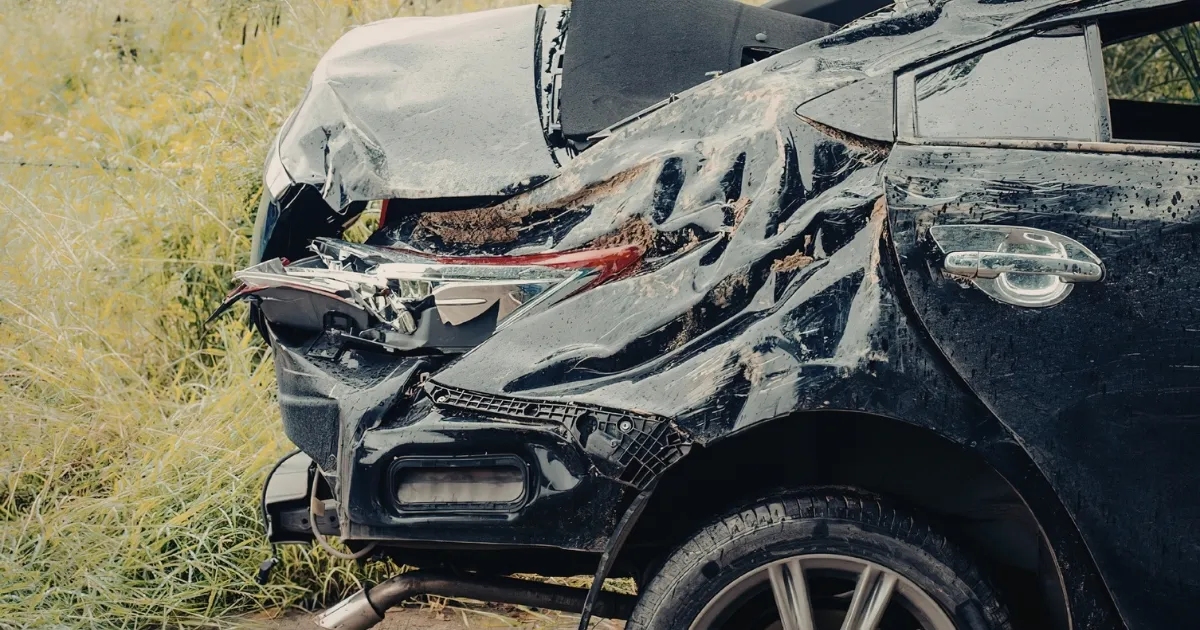
Car accidents can occur anywhere from busy highways and crowded intersections to winding rural roads and suburban neighborhoods. If the other motorist involved in the accident is at fault, you may be entitled to financial compensation by filing a personal injury claim.
However, car accidents can also occur on private property, including parking lots, driveways, apartment complexes, and business properties. When it comes to liability, these accidents can be more complicated because there are a number of parties that may be liable for the accident.
If you are injured in a car accident that occurred on private property, there are steps you should take to ensure that your legal rights are protected and that you recover the damages to which you are entitled. An experienced car accident lawyer will help you navigate this process and negotiate the best possible settlement outcome.
What Is Considered Private Property?
There is a general misconception that traffic laws are unenforceable on private property. However, while this is largely true, there are exceptions to this rule. For example, while a police officer cannot write you a ticket for driving through a stop sign on private property in Virginia, they can issue a citation for drunk driving, reckless driving, or parking in a fire lane or a handicap spot.
“Private property” includes large parking garages, shopping malls, Homeowners Association (HOA) communities, private roads or access lanes owned by a business, gated communities, and apartment or condominium parking complexes.
How Do Premises Liability Laws Impact Car Accidents on Private Property?
In Virginia, property owners have a responsibility to maintain their property, identify safety issues, take immediate steps to address any safety hazards, and provide adequate warnings of any known hazards. This means that “a property owner may share liability with the driver or drivers involved in a car accident that occurs on their property if they failed to maintain a safe environment, or take steps to address a potential safety hazard that could increase the risk of a car accident.”
For example, if you were involved in a car accident on private property, and the other motorist involved was driving recklessly and swerved to avoid hitting a large pothole in the road, the property owner could share liability with the at-fault driver if they failed to repair the pothole.
What Steps Do I Take After a Car Accident on Private Property?
The moments immediately following a car accident can be extremely stressful and overwhelming, particularly if you suffered a serious injury. If the accident occurred on private property, this can make the situation even more complicated due to the liability issues.
Virginia follows the “strict doctrine of contributory negligence,” which states that if you are found to be even 1% at fault, you will be prohibited from recovering any damages. In order to prove that you bear no responsibility for the accident, it is crucial that you take the following steps:
Step 1: Check for injuries
If you are physically able to do so, check yourself and the other passengers in your vehicle for injuries. Do not try to move someone who has been seriously injured, particularly if they suffered a neck injury.
Step 2: Call 911
While the responding police officer may not complete an official report since they do not have jurisdiction on private property, they may file an incident report, which can provide valuable evidence if you file a claim. If there are injuries, notify dispatch so that they can send an ambulance to the scene.
Step 3: Notify the property owner
Report the incident to the property owner or manager as soon as possible. Provide details about the accident, including the date, time, location, and a detailed description of what happened.
Step 4: Collect evidence
Take photos of your injuries, the damage to your vehicle, the hazardous condition, or other contributing factors that may have caused the accident, skid marks on the road, and any other evidence that can help prove that the other motorist, the property owner, or both parties were responsible for the accident. Oftentimes, there are security cameras set up on private property near entrances, exits, and parking areas. This can provide valuable evidence about the nature of the crash and who is at fault.
Step 5: Exchange information with the other driver
Make sure that you exchange insurance and registration information, as well as driver’s license number and contact information. While their registration card tells you who owns the vehicle, and the insurance card tells you who is insured, the driver’s license provides information about the person who was driving the car, and who you are bringing a claim against.
Step 6: Obtain witness information
If there were witnesses who saw the accident happen, ask if they would be willing to provide an official statement and get their contact information, including their name, address, phone number, and email.
Step 7: Seek immediate medical attention
Oftentimes, car accidents that occur on private property are low-speed accidents. While these do not generally cause serious, life-threatening injuries, it is crucial that you are examined by a medical professional to rule out any injuries that may be masked by the adrenaline that is coursing through your body immediately following the accident.
If you fail to seek medical attention, this will likely have a negative impact on the outcome of your claim. The insurance company may argue that your injuries must not be very serious if you did not find it necessary to seek immediate treatment.
Step 8: Avoid making a statement
Do not engage in conversation with the other motorist or the property owner about a car accident on private property. Their insurance company or legal team will find ways to use your own words against you to suggest that you are partly responsible for the accident.
Step 9: Contact an experienced car accident lawyer
Car accidents that occur on private property are much more complicated than other accidents due to the liability issues. A dedicated car accident lawyer will discuss the details of the accident, identify all liable parties, and recover the damages to which you are entitled.
Frequently Asked Questions
What are the most common causes of car accidents on private property?
There is a range of car accidents that are more likely to occur on private property, including the following:
- Backing out of parking spots or driveways without looking
- Drunk driving on private roads or parking areas
- Aggressive driving
- Reckless driving
- Poor maintenance, including deep potholes, overgrown trees and shrubs, inadequate signage, and a failure to clear away snow and ice
- Failure to yield
What is the deadline for filing a claim after a car accident on private property?
If you intend to take legal action and pursue damages after being involved in a car accident on private property, you must file your claim within two years from the date of the accident. If your claim is filed after the “statute of limitations” has expired, your claim will likely be denied, and you will be unable to recover any damages.
Your car accident lawyer will assist you with every step of the claims process and ensure that your claim is filed well before the deadline.
What damages am I entitled to if I am injured in a car accident?
Whether you suffered a relatively minor injury like whiplash or a life-threatening injury like a Traumatic Brain Injury (TBI) or organ damage, a successful personal injury claim will ensure that you recover the maximum damages you are entitled to, including the following:
- All medical expenses associated with your injury, including hospitalization, surgery, follow-up care, and prescription medication
- Lost wages if you are unable to return to work for a significant period of time
- Loss of future earning capacity
- Property damage
- Scarring and disfigurement
- Pain and suffering
- Loss of enjoyment of life
Do I need to hire a lawyer if I was in a car accident on private property?
While you may not need to hire a lawyer if you were in a minor fender bender on a public road or highway, it is highly recommended that you consult with an experienced car accident lawyer if you were involved in a car accident on private property. This will ensure that your legal rights are protected, that the negligent parties are held liable for their actions, and that you recover the maximum financial compensation you deserve for your injuries.
The Virginia Beach Car Accident Lawyers at Anchor Legal® Represent Victims of Car Accidents on Private Property
If you or a loved one was injured in a car accident that occurred on private property, it is highly recommended that you contact a Virginia Beach car accident lawyer at Anchor Legal as soon as possible. We will discuss the details of the accident, determine who is liable for your injuries, and pursue the maximum financial compensation you deserve. We will continue to fight for you until you are completely satisfied. To schedule a free consultation, call today at 757-LAW-0000 or contact us online. Located in Virginia Beach, we proudly serve clients in the surrounding areas.