

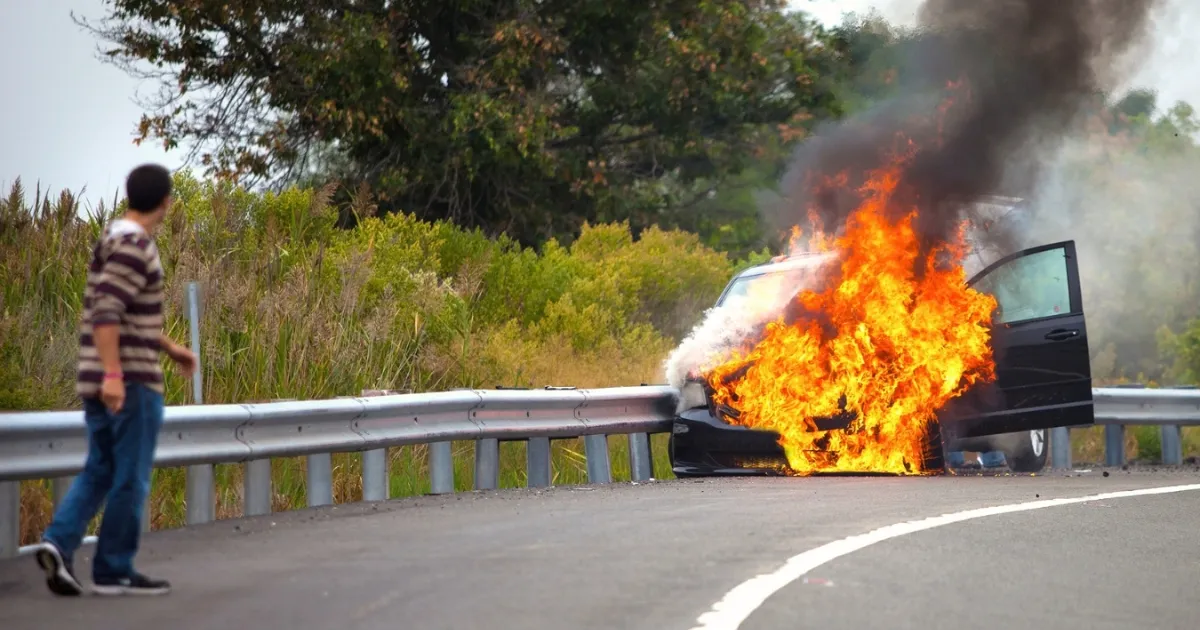
Today’s motor vehicles are equipped with a range of advanced safety features, including blind spot monitoring, automatic emergency braking, and adaptive cruise control. However, while this means that cars are safer than ever, car accidents continue to occur due to a range of factors, including human error, inclement weather, and hazardous road conditions.
Depending on the circumstances of the accident, a car accident can quickly become a dangerous and potentially life-threatening situation if the vehicle catches on fire. In most cases, vehicle fires are caused by some type of manufacturing or design defect, which means that the fire could have been prevented if the defect had been properly addressed.
If you or a loved one was seriously injured in a car accident where your vehicle caught on fire, it is highly recommended that you contact an experienced car accident lawyer as soon as possible.
Car Accident Fire Statistics
According to the National Fire Protection Association (NFPA), motor vehicle fires account for close to 20% of all fires reported. In most cases, these accidents are caused by fuel leaks from normal wear and tear or a negligent repair job done by a mechanic. They can also be caused by an electrical short. Surprisingly, very few car fires are caused by collisions.
What Are the Most Common Causes of Car Fires?
A serious car accident can be destructive enough, particularly if the vehicles were traveling at a high speed. However, if one of the vehicles involved in the collision catches on fire, it can have devastating consequences. Oftentimes, these vehicle fires are the result of negligence, particularly if there was a defect in the design or manufacturing process. The following are examples of the most common causes of vehicle fires.
Electrical Fires
Electrical malfunctions are the most common cause of fires after a collision. Today’s vehicles are equipped with a range of electrical systems, from airbags to entertainment systems. If any of these systems are damaged from the impact, they can short-circuit and cause a fire. This is particularly dangerous because most electrical fires start under the dashboard, which is near the engine compartment.
Needless to say, if a short-circuit produces an electrical spark near oil or gasoline, this can ignite a fire. If an electrical fire is caused by a defective electrical issue, this could impact the damages that you are entitled to, particularly if negligence was involved.
Fuel System Failures
If the impact of the collision causes damage to the fuel tank, it can ignite if it encounters a spark, extreme heat, or an open flame. If the crash was caused by the other driver or if there was a design or manufacturing defect, you may be entitled to financial compensation by filing a personal injury claim against the negligent party.
Engine Overheating
If the impact of a car accident causes damage to your vehicle’s cooling system, your engine is more likely to overheat. Even after your car stops running, the engine components often remain hot enough to cause engine oil, transmission fluid, brake fluid, or power steering fluid to ignite and start a fire. This is particularly common in high-speed front-end collisions. A car accident attorney will determine whether the fire was caused by the accident or whether there was a pre-existing defect within the vehicle.
Faulty Batteries
Battery-related fires have become more common as more people are driving electric and hybrid vehicles, which rely on high-voltage lithium-ion batteries. Both traditional car batteries and lithium-ion batteries contain solvents that are highly flammable and can also ignite nearby materials.
What Are the Most Common Car Fire Injuries?
Car accidents involving fires can cause some of the most devastating injuries that often require extensive medical treatment and ongoing care. The following are examples of injuries that are caused by car fires:
- Burn injuries: Direct exposure to flames, heated metal, or extreme heat can cause severe burns. Depending on the severity of the burn injury, this can cause extensive skin damage, long-term scarring, and amputations. Treatment involves painful skin graft surgeries, interventions to prevent infections, and ongoing pain management. Severe burn injuries can affect breathing, digestion, and other bodily functions. Serious burn injuries can be fatal.
- Inhalation injuries: Fires produce smoke, toxic fumes, and superheated air that can cause damage to the lungs and airways when breathed in. In severe cases, this can cause permanent respiratory issues, often resulting in respiratory failure.
- Scarring and disfigurement: Serious burns can cause severe scarring. In extreme cases, it can require amputations, which can have a negative impact on mobility and self-esteem.
- Emotional trauma: It is not uncommon for survivors of severe burn injuries to experience Post-Traumatic Stress Disorder (PTSD), anxiety, and depression following a car accident that resulted in a car fire.
What Do I Do if My Vehicle Is on Fire?
According to the U.S. Fire Administration, if your vehicle catches on fire, it is imperative that you pull over immediately, turn off the engine, and exit the vehicle. Get at least 100 feet away from the car, and do not attempt to put out the fire or return to the vehicle to grab your purse, wallet, or anything else that you left inside the car. Opening the doors or the trunk can allow more oxygen into the vehicle, which will add fuel to the flames.
Call 911 right away and remain a safe distance from the vehicle until emergency responders arrive. The following are additional tips to keep in mind that can help you escape from your vehicle unharmed:
- Unfasten your seatbelt immediately. The heat from the fire can cause the metal in the belt to melt, making it impossible to unfasten it.
- Unlock all windows and doors. If you are unable to open them, this will make it easier for first responders to get you out.
- Try to free yourself from the seatbelt by grabbing the shoulder strap, pushing it over your head, and ducking under to release your upper body. Try to wiggle yourself free from the waist strap.
Frequently Asked Questions
What Damages Am I Entitled to if I Am Injured in a Car Accident Involving a Fire?
Burn injuries can be extremely severe and debilitating, often requiring extensive, ongoing medical care, including multiple skin graft surgeries and follow-up care. If you are able to prove that either the other driver, the manufacturer, or the vehicle designer was negligent, a successful personal injury claim will ensure that you recover the maximum damages you are entitled to, including the following:
- All medical expenses associated with your injuries, including surgeries, skin grafts, infection prevention, prescription medication, and follow-up care necessary to treat your injuries.
- Lost wages if your injuries prevent you from being able to return to work for an extended period of time.
- Loss of future earning capacity.
- Long-term disability.
- Rehabilitation costs.
What if I Am Partly to Blame for the Accident That Resulted in a Car Fire?
Virginia follows the “strict contributory negligence” rule, which states that even if you are found to be only 1% at fault for causing the accident, you are prohibited from recovering any damages. This is why it is crucial to work with an experienced car accident lawyer who will conduct a thorough investigation, collect the evidence necessary to hold the negligent party liable for their actions, and ensure that you recover the maximum damages to which you are entitled.
How Can I Prevent a Car Fire?
You can significantly reduce the risk of a devastating car fire by making sure that your vehicle is inspected regularly and that all necessary maintenance and repairs are made in a timely manner. When bringing your vehicle in for inspection or maintenance, make sure that the electrical system and fuel system are thoroughly inspected, as any problems or defects in these systems can significantly increase the risk of a vehicle fire.
Another important step is to check your vehicle regularly for oil leaks and always use a funnel when adding oil. If the exhaust tone is louder than usual, or the exhaust backfires, or you notice dark smoke coming out of the tailpipe, these are all indications that there could be a problem. It is important that you have your vehicle checked out right away.
A Virginia Beach Car Accident Lawyer at Anchor Legal ® Helps Recover Damages for Victims of Car Accident Fires
If you were seriously injured in a car accident that resulted in a car fire, do not hesitate to contact a Virginia Beach car accident lawyer at Anchor Legal. We understand how devastating fire-related injuries can be and will work tirelessly to ensure that your legal rights are protected. To schedule a free consultation, call today at 757-LAW-0000 or contact us online. Located in Virginia Beach, we proudly serve clients in the surrounding areas.