

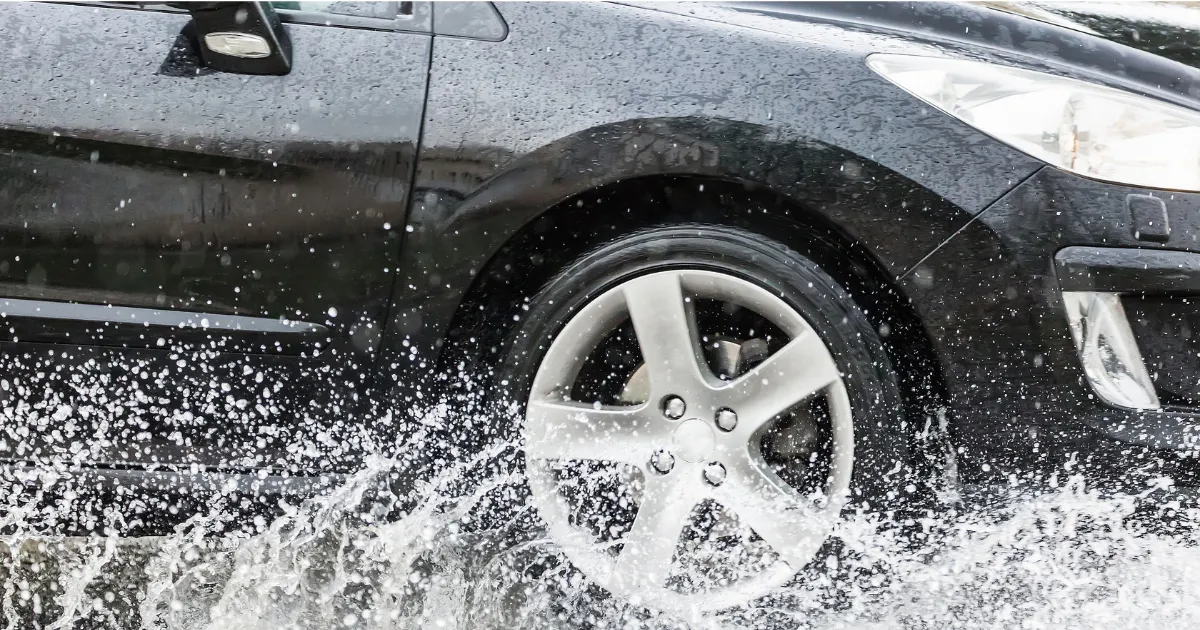
Heavy rain, tropical storms, and hurricanes are an unfortunate reality in Virginia. It only takes a matter of minutes for a heavy downpour to cause flooding, which can create a range of hazardous driving conditions. When a car accident occurs on a flooded road, determining who is responsible can be complicated. While motorists cannot control the weather, they are expected to either avoid driving until the weather clears or use extreme caution to avoid an accident. Understanding how liability works after a weather-related car accident in Virginia can help you protect your rights and ensure that you recover the damages to which you are entitled.
An experienced car accident lawyer will assist you with this process, determine whether negligence was a factor, and pursue the maximum financial compensation you deserve.
How Does Flooding Cause Dangerous Driving Conditions?
Virginia’s landscape makes it uniquely vulnerable to flooding due to its long Atlantic coastline, the Chesapeake Bay, numerous tidal rivers, and a varied inland landscape. A heavy storm can dump inches of rain in a matter of hours. The following are examples of hazardous driving conditions caused by flooding:
- Standing water can cause hydroplaning. When water builds up on the roadway, it can cause hydroplaning, in which tires lose contact with the pavement. When this happens, the vehicle can slide or become difficult to control. According to the Virginia Department of Transportation (VDOT), standing water can cause hydroplaning and loss of vehicle control.
- Floodwater can hide dangerous road conditions. Floodwater can cover potholes, damaged pavement, curbs, ditches, and other hazards. Pooled water can hide the road surface, causing drivers to enter a deep body of water.
- Moving water can sweep away vehicles. Fast-moving floodwater can be particularly dangerous. In extreme cases, it can carry away people and vehicles with devastating consequences.
- Heavy rain reduces visibility. Heavy rain can make it difficult to see lane markings, traffic signals, pedestrians, road hazards, and other vehicles. Water splashed onto the windshield by passing vehicles can make visibility even worse.
- Flooding can leave debris on the roadway. Storms and flooding can leave tree branches, rocks, mud, and debris on the road, prompting motorists to swerve or brake suddenly.
- Flooding can lead to road closures and unexpected traffic. Drivers who approach a road closure may need to change routes quickly, causing congestion and increasing the risk of car accidents.
- Floodwater can hide electrical hazards. Flooded areas can contain downed power lines or electrically charged water.
Who is Liable for a Car Accident on a Flooded Road in Virginia?
If you are involved in a car accident on a flooded road in Virginia, liability will depend on who was legally responsible for the dangerous condition. The following are examples of possible liable parties:
- The other driver. If the other motorist involved in the accident was speeding, following too closely, failed to maintain control, or was engaging in other negligent behavior during flooded conditions, they may be liable for causing the accident. While motorists cannot control the weather, they are expected to take necessary safety precautions, including reducing their speed, maintaining a greater following distance, and avoiding the center lane.
- The agency responsible for maintaining the road. If the flooding was largely due to poor road design, drainage issues, maintenance, or a warning problem, the government entity responsible for the road can be held liable. However, Virginia’s sovereign immunity can protect certain government entities from negligence lawsuits. The legal basis for a claim will depend on the specific road, government entity, and conduct involved. To hold the government liable for a flooded road accident, you will need to prove the following:
– The government knew, or should have known about, a severe, dangerous defect in the drainage system or road design.
– They had a reasonable amount of time to fix or put up warning signs.
– They failed to take action, and that specific failure directly caused your accident. - A private property owner. If the flooding was partly due to a drainage problem or another condition that the property owner had a legal duty to address, they may be liable for the accident.
- Your own driving behavior. Virginia follows the strict contributory negligence rule, which states that if you are found to be even one percent at fault for causing an accident, your claim will be denied. You will be prohibited from recovering any damages. For example, the insurance company may argue that you were driving too fast for the flooded conditions.
How Can I Prove That Flooding Caused a Car Accident?
Flood conditions can change quickly. Water drains away, road crews make the necessary repairs, and warning signs may be removed. Therefore, you must collect as much evidence as possible immediately following the accident. If it is safe to do so, it is highly recommended that you take pictures of the following:
- The depth and location of standing water
- Missing or damaged warning signs
- Barricades
- Road damage
- Potholes
- Debris
- Damage to drainage systems
- Vehicle positions
- Weather and visibility conditions
Other useful evidence can include the following:
- Police reports
- Medical records
- Witness statements
- Traffic-camera footage
- Dashcam video
- Photographs taken by other drivers
- Repair records
- Weather reports
- Road-maintenance records
What Should I Do if I Am Involved in a Flooded-Related Car Accident?
If you are injured in a car accident on a flooded road, there are steps you should take to ensure your legal rights are protected and you receive the medical care you need. Consider taking the following steps in the moments following the accident:
- Get to a safe location if possible. Do not remain in a dangerous area simply to take photographs. Moving water, damaged roads, downed power lines, and approaching traffic can create additional risks.
- Call 911. If there are injuries involved, notify dispatch so they can send an ambulance to the scene.
- Seek immediate medical attention. Some accident injuries are not immediately obvious. Getting medical care will ensure that your injuries are promptly diagnosed and treated. This will also create a record of injuries connected to the crash.
- Photograph the scene. If it is safe to do so, document the vehicles, roadway, water, signs, barricades, debris, and surrounding area.
- Collect witness information. If there were witnesses who saw the accident, ask whether they would be willing to provide a statement and obtain their contact information.
- Preserve relevant records. Keep photographs, medical bills, repair estimates, insurance communications, police reports, and other documents related to the accident.
- Be careful when discussing fault. Statements made immediately after a crash can later become part of an insurance investigation. Stick to the facts and avoid apologizing, as this can be used against you in your claim.
How Do I Avoid a Flood-Related Car Accident?
If you are driving through rainy conditions in Virginia, there are proactive steps you can take to prevent a serious car accident, including the following:
- Turn around, don’t drown. This is the golden rule of flood safety. If you see water covering the road ahead, and you do not know how deep it is, turn around and find another route.
- Use extreme caution at night. Puddles and flooded patches are more difficult to spot at night or during a heavy downpour when visibility is limited. Reduce your speed significantly when driving at night in any severe weather.
- Check your tires. Worn-out treads are the number one cause of hydroplaning.
- Maintain a safe following distance. Stopping distances double or even triple on wet pavement. Make sure that you give the vehicles around you plenty of space.
Frequently Asked Questions
Can I Recover Damages if My Car Was Damaged by Floodwater in Virginia?
It depends on the circumstances and your insurance coverage. A dedicated car accident lawyer will determine who is liable for causing the accident and pursue the maximum financial compensation you deserve for your losses, including injuries, property damage, lost wages, and pain and suffering.
What is the Deadline for Filing a Claim?
If you were injured in a flood-related car accident and intend to file a personal injury claim, your claim must be filed within 2 years of the accident. If your claim is filed after the statute of limitations expires, your claim will likely be denied and you will be unable to recover any damages.
How Can a Car Accident Lawyer Help Me with My Claim?
An experienced car accident lawyer will help you navigate every step of the claims process, obtain the evidence necessary to support your claim, and negotiate the best possible settlement outcome.
Virginia Beach Car Accident Lawyers at Anchor Legal ®Pursue Maximum Damages for Clients Injured in Weather-Related Car Accidents
If you were injured in a car accident on a flooded road, contact the Virginia Beach car accident lawyers at Anchor Legal. We will assist you with the claims process, ensure that your legal rights are protected, and pursue the financial compensation you deserve for your injuries. To schedule a free consultation, call us today at 757-LAW-0000 or contact us online. Our office is located in Virginia Beach, where we serve clients in the surrounding area.