

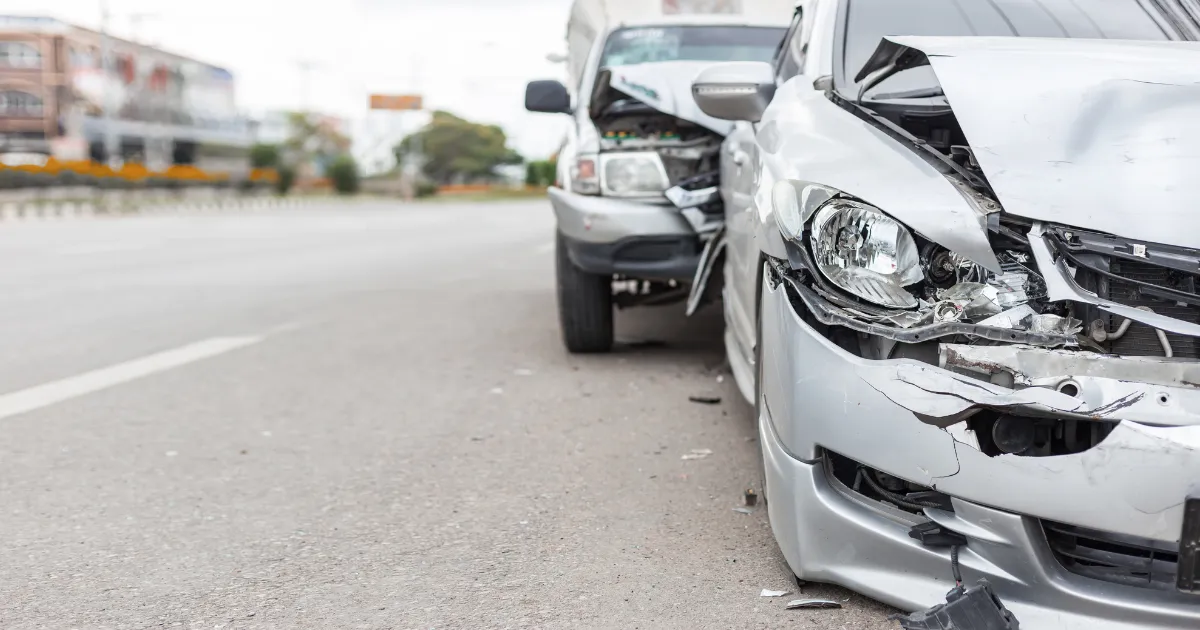
Stop-and-go traffic is an unfortunate reality that all drivers experience at some point. While this frustrating traffic pattern may seem like a relatively minor inconvenience, it can lead to serious rear-end crashes. There is a general assumption that the driver who rear-ended the vehicle in front of them is to blame. However, there are situations where the driver in the front may share fault, or be entirely to blame. There are a number of factors that must be considered when determining fault in a rear-end crash in stop-and-go traffic, including whether a motorist was speeding, distracted, or tailgating.
If you or someone you know was injured in a rear-end crash, an experienced car accident lawyer will determine who is at fault, ensure that your legal rights are protected, and pursue the maximum financial compensation you deserve.
What Are the Most Common Causes of Rear-End Crashes in Stop-and-Go Traffic?
Stop-and-go traffic is stressful and unpredictable. The constant accelerating, braking, and stopping can result in a rear-end crash if motorists are not paying attention and making safety a priority. The following are some of the most common causes of rear-end accidents that can occur in stop-and-go traffic:
- Tailgating. Following too closely is one of the most common causes of rear-end accidents, particularly during heavy, stop-and-go traffic. If a motorist is following too closely, they may not have enough time to stop when traffic slows down suddenly.
- Distracted driving. When motorists are talking or texting on their phones, or engaging in other distracting behavior during stop-and-go traffic, they may fail to notice that the car in front of them has stopped.
- Speeding. Driving too fast in heavy traffic conditions increases the risk of an accident. Speeding makes it difficult to slow down and stop in time to avoid hitting a vehicle that has suddenly stopped.
- Drunk or impaired driving. Alcohol and drugs severely impair reaction times, spatial awareness, and visual judgment, making it almost impossible to navigate stop-and-go traffic safely.
- Heavy traffic. The more vehicles there are on the road, the greater the risk of a rear-end collision.
Is the Following Driver Always at Fault?
According to the Virginia Code § 46.2-816, Virginia drivers may not follow another vehicle more closely than is reasonable and safe. If a rear-end accident occurs, there is a widespread belief that the rear driver is automatically at fault since they are required to maintain control of their vehicle and leave ample space to stop safely. However, in Virginia personal injury cases, the person who was rear-ended must prove that the other driver was negligent and that they failed to exercise reasonable care under the circumstances. During stop-and-go traffic, motorists have a duty to obey the rules of the road and keep the following safety tips in mind at all times:
- Duty to keep a proper lookout. Every driver in Virginia has a legal obligation to maintain a “proper lookout.” This means paying continuous attention to the road ahead, noticing changing traffic patterns, observing brake lights, and identifying potential hazards promptly. In stop-and-go traffic, a driver who is looking down at a cell phone, adjusting the radio, or looking out the side window for even two seconds fails in this duty.
- Duty to maintain a safe following distance. A driver is prohibited from following another vehicle more closely than is reasonable and prudent. What counts as “reasonable” changes depending on weather conditions, vehicle speed, and traffic flow. In stop-and-go conditions, maintaining a safe gap gives a driver the time and distance needed to react when the lead vehicle suddenly stops.
- Duty to maintain control of the vehicle. Drivers must operate their cars at a speed that allows them to stop safely without crashing. Even if traffic suddenly comes to a dead stop, a driver is expected to have enough control over their vehicle to bring it to a halt before hitting the car in front.
- Duty to signal and stop safely. Lead drivers also have responsibilities. A front driver must make sure their brake lights are working properly so trailing vehicles receive adequate warning when slowing down. Furthermore, drivers should avoid unnecessary, sudden emergency braking unless required by an immediate obstacle.
When Is the Front Driver at Fault for a Rear-End Accident?
In most cases, when a motorist rear-ends another vehicle, the driver who hit the vehicle in front of them is considered at fault. However, there are situations in stop-and-go traffic where the front driver may either share fault or be found entirely at fault for the accident, including the following:
- Sudden, unjustified braking. Also called “brake checking,” this can occur when a front driver deliberately slams on their brakes to intentionally annoy, scare, or retaliate against a tailgating driver. The front driver can be held liable if there is evidence proving that there was no legitimate road hazard ahead that warranted a sudden stop.
- Broken or non-functioning brake lights. Trailing drivers rely entirely on red brake lights to know when a car ahead is slowing down, especially during stop-and-go rush hour. If a vehicle’s brake lights are broken or not functioning properly, the rear driver receives no visual warning that traffic has stopped. When the lead driver fails to maintain the vehicle’s basic safety equipment, this can increase the risk of a rear-end accident.
- Unsafe lane changes and cutting off other cars. In heavy traffic, frustrated drivers often hop between lanes trying to find a faster line. If a driver cuts closely in front of another car and immediately hits the brakes, they leave the rear driver with zero physical space or time to avoid a collision. The driver who made the unsafe lane change is typically held responsible for the crash.
- Sudden reversing. Occasionally in congested traffic, a lead driver misses an exit, panics, and puts their vehicle in reverse, or rolls backward on a steep incline without paying attention. If a lead vehicle backs into a stopped car behind it, the lead driver is entirely at fault.
How Does Virginia’s Contributory Negligence Rule Impact Rear-End Accidents?
Virginia is one of only four states that still uses the strict “pure contributory negligence” rule. This legal doctrine states that if you are found to be even 1% at fault for causing a rear-end car accident, you will be prohibited from recovering any financial compensation from the other motorist. Insurance companies will aggressively look for any evidence that will prove that you were slightly negligent, even if you were the front driver that was rear-ended. For example, an insurance adjuster may argue the following:
- You stopped too fast or too abruptly without reason
- One of your taillights was dim or not working
- You failed to use a turn signal before stopping to make a turn
- You were distracted, or stopped unexpectedly in an active lane of travel
What Evidence Do I Need to Prove Fault?
If you were rear-ended during stop-and-go traffic, it is vital that you collect as much evidence as possible in the moments following the accident. The following are examples of key evidence that can help prove negligence in rear-end cases:
- Dashcam footage. Dashcams provide objective video evidence showing whether traffic stopped suddenly, whether brake lights were functional, and how much following distance was maintained.
- Police reports. The investigating officer’s official report notes road conditions, visible vehicle damage, driver statements, and whether any traffic citations were issued (such as following too closely or reckless driving).
- Witness testimony. Statements from neutral drivers or bystanders who saw the crash unfold provide unbiased support for your version of events.
- Electronic data recorders (Black Boxes). Modern vehicles record speed, throttle position, braking application, and steering inputs in the seconds leading up to a crash.
- Cell phone records. Phone logs can prove whether a driver was actively texting, calling, or using data right at the moment of impact.
- Photos and videos of the scene. High-resolution photos showing skid marks, bumper alignment, vehicle placement, weather conditions, and lighting help accident reconstruction experts piece together the collision sequence.
What Steps Should I Take After a Rear-End Car Accident?
If you are involved in a rear-end collision in Virginia, you must take the following steps to ensure that your legal rights are protected and that you recover the damages you are entitled to:
- Call 911. Always report the crash to the police, even if it seems minor. A formal police report creates an official record of the incident.
- Seek medical attention. Prompt medical evaluation ensures your injuries are properly diagnosed and documented.
- Collect evidence. Take detailed photos of your injuries, the damage to your vehicles involved, traffic signals, and surrounding road conditions.
- Exchange information. Get the other driver’s name, contact details, driver’s license number, and insurance policy information. Do not say anything that could be interpreted as an apology, as the insurance company may use it against you.
- Notify your insurance carrier. Report the crash to your insurance provider accurately and promptly.
- Contact an experienced car accident lawyer.
Injured in a Rear-End Accident? An Experienced Virginia Beach Car Accident Lawyer at Anchor Legal ®Will Fight to Get You the Compensation You Deserve
If you were injured in a rear-end accident during stop-and-go traffic, a Virginia Beach car accident lawyer at Anchor Legal will assist you with the claims process, determine who is at fault, and pursue the maximum financial compensation you deserve. For a free consultation, call today at 757-LAW-0000 or contact us online. Located in Virginia Beach, we proudly serve clients in the surrounding areas.