

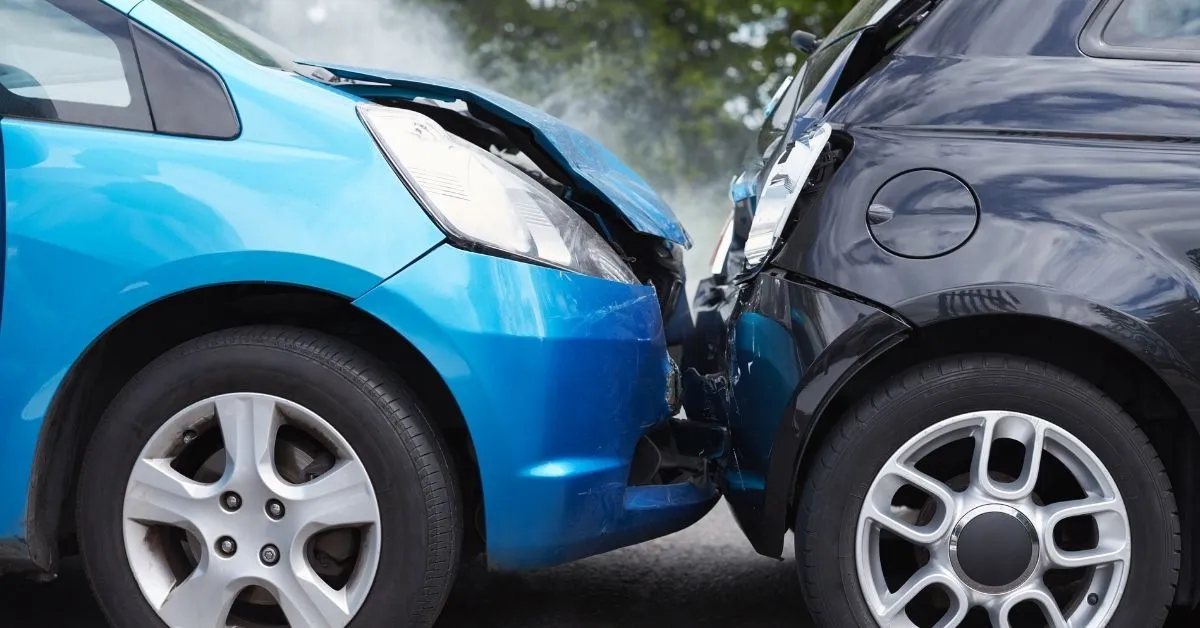
Backing-up accidents often occur at low speeds in parking lots, driveways, and residential streets. While these collisions may not cause the catastrophic damage seen in high-speed crashes, they can still result in serious injuries and costly vehicle damage. If you suffered whiplash or another injury in a backing-up accident, you may be entitled to compensation.
To recover damages in Virginia, however, you must prove that the other driver was at fault—and that you were not negligent in any way. Because Virginia follows a strict contributory negligence rule, even slight fault on your part can bar recovery. An experienced car accident lawyer can review the facts, gather evidence, and pursue the compensation you deserve.
What Is Virginia’s “Lookout” Law?
Virginia law requires drivers to keep a proper lookout at all times. While there is no statute formally titled the “Lookout Law,” Virginia courts consistently hold that motorists have a duty to maintain a reasonable lookout, remain aware of their surroundings, and take reasonable steps to avoid a collision.
This duty is especially important in situations involving backing-up accidents, where visibility is limited, and pedestrians or other vehicles may be nearby.
If two drivers are backing out at the same time, both have a duty to:
- Check mirrors and blind spots
- Yield when appropriate
- Maintain control of their vehicle
- Act reasonably under the circumstances
Determining fault depends on whether one or both drivers breached this duty of reasonable care.
Importantly, Virginia follows the doctrine of contributory negligence. If you are found even one percent at fault, you may be barred from recovering compensation.
What Evidence Do I Need to Prove a Backing-Up Accident Claim?
Because of Virginia’s strict negligence standard, strong evidence is critical. Helpful evidence may include:
- Police report – The responding officer will document statements, road conditions, and potentially note contributing factors.
- Witness statements – Independent witnesses can clarify who was moving, who had the right-of-way, and whether either driver failed to yield.
- Surveillance or security footage – Parking lots, garages, and nearby businesses may have video showing the collision.
- Photographs – Damage patterns can help determine vehicle movement and point of impact.
- Vehicle data or dashcam footage – When available, this can provide objective evidence of speed and positioning.
Common Injuries in Backing-Up Accidents
Even low-speed collisions can cause significant injuries, including:
- Whiplash and neck injuries
- Soft tissue injuries
- Cuts and lacerations
- Fractures
- Traumatic brain injuries (TBIs)
Prompt medical treatment is essential—not only for your health, but also to document your injuries.
Who Is at Fault for a Backing-Up Car Accident?
Fault depends largely on the right-of-way and which vehicle was in motion.
Backing Out of a Parking Space
Drivers exiting a parking space must yield to vehicles already traveling in the lane. If you back out into the path of a moving vehicle, you will likely be considered at fault.
If both drivers are backing out simultaneously, fault will depend on timing, visibility, and whether either driver failed to keep a proper lookout. In some cases, both drivers may share responsibility—though under Virginia’s contributory negligence rule, shared fault can prevent recovery.
Backing Out of a Driveway
Drivers entering a roadway from a driveway must yield to traffic already on the road. Failing to do so typically results in liability. However, if an oncoming driver was speeding or driving recklessly, fault may be disputed.
Backing Into a Parked Vehicle
A driver who strikes a legally parked vehicle while backing up is almost always at fault. Leaving the scene without providing information may also result in additional legal consequences under Virginia law.
Backing Up on a Roadway
Backing up on a highway or active roadway is dangerous and may violate traffic laws, particularly if it creates a hazard for other motorists. Liability will depend on the specific circumstances.
What Should I Do After a Backing-Up Accident?
If you are involved in a backing-up accident in Virginia:
- Check for injuries and call 911 if needed.
- Report the accident to law enforcement.
- Seek medical attention promptly, even if injuries seem minor.
- Move to a safe location if possible.
- Exchange contact and insurance information.
- Avoid admitting fault or apologizing.
- Take photographs of vehicle damage, road conditions, and surroundings.
- Obtain witness contact information.
- Notify your insurance company and provide only factual details.
- Consult with an experienced car accident attorney.
Virginia Beach Car Accident Lawyers at Anchor Legal ® Represent Victims of Backing-Up Accidents
Proving liability in a backing-up accident can be challenging—especially under Virginia’s strict contributory negligence rule. Our Virginia Beach car accident lawyers at Anchor Legal thoroughly investigate each case, gather critical evidence, and fight to hold negligent drivers accountable. If you were injured in a backing-up accident, call 757-LAW-0000 or contact us online to schedule a free consultation. We are located in Virginia Beach.