

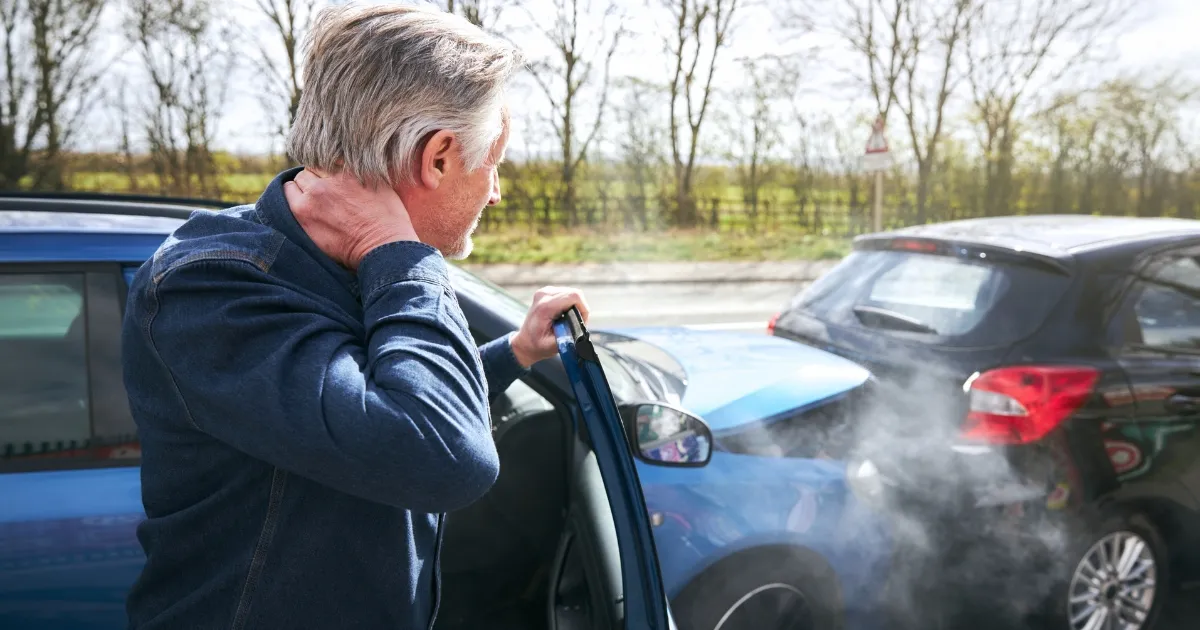
Brain injuries caused by oxygen deprivation are among the most serious and least discussed outcomes of a car accident. Hypoxic brain injuries occur when the brain is deprived of adequate oxygen, which can happen during traumatic collisions where a person loses consciousness, experiences cardiac arrest, or has airways blocked by impact. Because the brain depends on a steady oxygen supply to function, even a brief interruption can lead to lasting neurological damage that affects every aspect of daily life.
What Is a Hypoxic Brain Injury?
A “hypoxic” brain injury occurs when the brain receives reduced but not completely cut off oxygen. “Anoxic” brain injury, by contrast, involves a total loss of oxygen supply. Both can result from car accidents, where trauma disrupts breathing or circulation. Damage can begin within minutes, as brain cells are highly sensitive to oxygen loss, so prompt medical attention after a crash is especially important.
How Do Car Accidents Cause Hypoxic Brain Injuries?
Car accidents cause hypoxic brain injuries through several mechanisms. Severe chest trauma can restrict breathing, while impact-related cardiac arrest cuts off circulation to the brain. Airway obstruction from swelling, blood, or a foreign object can also deprive the brain of oxygen. In some cases, a traumatic brain injury itself disrupts the brain’s ability to regulate oxygen levels, compounding the damage over time.
What Are the Symptoms of a Hypoxic Brain Injury?
Mild cases may produce confusion, difficulty concentrating, and short-term memory problems. More serious injuries can cause seizures, loss of coordination, speech difficulties, and personality changes. In the most severe cases, a person may fall into a coma or experience permanent cognitive impairment, which is why early diagnosis plays such an important role in treatment outcomes.
How Is a Hypoxic Brain Injury Diagnosed?
Doctors use a combination of neurological exams, blood tests, and imaging studies to diagnose hypoxic brain injuries. MRI and CT scans can reveal areas of the brain affected by oxygen deprivation, while an EEG measures electrical activity to assess brain function. A physician will also evaluate the Glasgow Coma Scale (GCS) score, which helps gauge the level of consciousness and severity of the injury following the accident.
What Are the Long-Term Effects of a Hypoxic Brain Injury?
That depends on how long the brain was deprived of oxygen and which regions were affected. Survivors may experience ongoing memory loss, difficulty with executive function, emotional dysregulation, and physical impairments such as weakness or tremors. Some people regain significant function through rehabilitation, although others face permanent disability that can result in substantial medical expenses, lost income, and reduced quality of life.
Can I File a Legal Claim for a Hypoxic Brain Injury After a Car Accident?
Yes. If another driver’s negligence caused the crash, you may have the right to seek compensation for medical costs, lost wages, and pain and suffering. Because hypoxic brain injuries often involve ongoing care and diminished earning capacity, the value of these claims can be significant. Remember, Virginia law imposes strict deadlines for filing personal injury claims, so acting promptly after a diagnosis by contacting a car accident lawyer is important.
What Evidence Supports a Hypoxic Brain Injury Claim?
Strong claims rely on medical records documenting the diagnosis and treatment, as well as expert testimony linking the injury to the accident. Accident reports, witness statements, and photos from the scene also help establish liability, while records from neurologists and rehabilitation providers demonstrate the injury’s long-term impact. A thorough paper trail from the emergency room through ongoing therapy strengthens the connection between the crash and the harm suffered.
An Experienced Virginia Beach Car Accident Lawyer at Anchor Legal ® Will Fight to Get You the Settlement You Deserve
If you or a loved one suffered a hypoxic brain injury after a motor vehicle crash, contact a Virginia Beach car accident injury lawyer at Anchor Legal. To schedule a fee consultation, call today at 757-LAW-0000 or contact us online. Located in Virginia Beach, we proudly serve clients in the surrounding areas.