

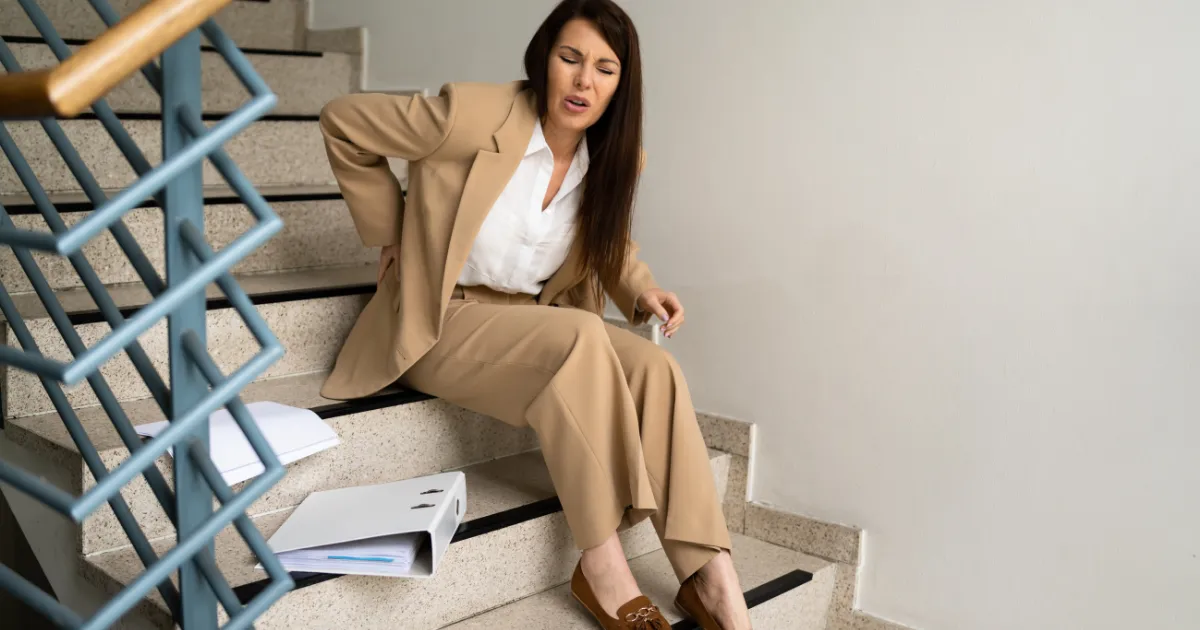
All property owners in Virginia have a responsibility to maintain their property and take the necessary steps to repair any existing hazards that can increase the risk of a slip and fall accident. While people can slip, trip, or fall for several reasons, including being distracted or simply losing their balance, a property owner or manager may be liable for an injury if they knew, or should have known about the dangerous condition but failed to fix it, or warn people about the existing hazard. If you were injured on someone else’s property, and you intend to pursue a premises liability claim, you will need to understand what qualifies as a “dangerous condition.” An experienced slip and fall accident lawyer will examine the details of your case, determine whether the property condition qualifies as dangerous, and ensure that the negligent party is held liable for their actions.
What Is Considered a Dangerous Property Condition in Virginia?
In Virginia, a property condition is considered “dangerous” if it poses an unreasonable risk of harm to individuals who are legally visiting the property. The law recognizes that property owners are not expected to guarantee perfectly safe conditions across every square inch of the property at all times. Normal wear and tear of the property means that there are bound to be minor bumps, uneven surfaces, and snow or rainwater by the entryway. These are rarely considered a legally actionable hazard. For a condition to be considered legally dangerous, it must meet the following three criteria:
- It poses a real foresight of danger. An average, reasonable person would recognize that the hazard could easily cause someone to slip, trip, fall, or get hurt.
- It is not an inherent or expected risk. It is not a natural feature that a visitor should expect, like a wet, slick lawn after a heavy rainstorm.
- It is something that the owner could have fixed or warned about. The owner had the opportunity to repair the hazard, block off the area, or post a clear warning.
What Are Common Examples of Dangerous Conditions in Virginia?
There are a wide range of unsafe conditions that may be present on properties from private homes to commercial stores and apartment buildings. The following are examples of the most frequent hazards that result in personal injury claims:
- Slip and fall hazards. These are the most common types of property-related claims. They occur when the walking surface fails to provide adequate traction, or presents an unexpected obstacle that can cause someone to trip or fall. Examples include the following:
– Liquid spills and leaks, including melted ice, leaked oil, spilled beverages, or leaking refrigeration units.
– Weather-related hazards, including accumulated ice or packed snow on sidewalks or store entryways that the owner failed to clear away or treat with salt after the storm ended.
– Flooring defects. Including torn or curled carpeting, loose floor tiles, unanchored doormats, or sudden height changes between flooring types without any clear visual cues.
– Exterior walkway damage, including potholes in parking lots, cracked or buckled concrete sidewalks from tree roots, or unpaved drop-off by walking paths. - Structural and maintenance failures. These can cause devastating injuries if property owners fail to properly maintain the building, staircases, and physical structures. They include the following:
– Stairway hazards, including missing or broken handrails, uneven step heights, rotting wooden steps, or worn-down treads that provide no grip.
– Balcony and deck defects, including rotting wood support beams, loose deck railing, or overloaded structures that collapse under normal use.
– Inadequate lighting, including burned-out bulbs or missing light fixtures in parking lots or stairwells, or dark hallways.
– Falling objects, including improperly stacked store shelves, loose ceiling tiles, or unsecured hanging fixtures. - Environmental and security hazards. These include the following hidden traps or environmental risks:
– Inadequate security, including broken locks, unlit parking facilities, or lack of security in unsafe areas.
– Exposed electrical wires, including uncovered outlets, loose cords on high-traffic walkways, or exposed live wiring.
What Are the Legal Challenges Associated With Premises Liability Cases?
Virginia is one of the few states that continue to follow two very strict rules that can make it challenging for injured victims to recover the damages to which they are entitled. They include the following:
- Contributory negligence rule. This states that if you are found to be even 1% at fault for your injury, you may be “prohibited” from recovering any compensation. Unlike most other states, Virginia does not split fault proportionally. The property owner must prove that the injured party failed to act safely.
- Open and obvious doctrine. This states that if the dangerous condition was open and obvious to the injured party, the property owner is generally “not liable.” In other words, the property owner is not required to warn individuals about hazards that are plain to see.
In addition to these laws, there are strict deadlines for filing a slip and fall or premises liability claim. The “statute of limitations” for these claims is two years from the date of the accident. If your claim is filed after the deadline passes, your claim will likely be denied, and you will be unable to recover any damages.
How Do I Prove That the Property Owner Was Negligent?
To recover the maximum damages you are entitled to, you must prove the following elements of negligence:
- The property owner owed you a duty of care. You were legally on the property, and the owner had a responsibility to maintain the property and address any safety hazards.
- The property owner breached the duty of care. The property owner failed to fix the hazardous condition or provide adequate warning about the hazard.
- The breach caused your injury. The unsafe condition was the direct cause of your injury.
- You suffered actual damages as a result of the injury, including costly medical bills, lost wages, and pain and suffering.
What Is the “Notice Rule” in Personal Injury Cases in Virginia?
Even if you are able to prove that a hazardous condition existed, this is only half the battle. You must also prove that the property owner had “notice” of the hazard. According to Virginia law, there are two types of notice, including the following:
- Actual notice. This means that the property owner directly knew about a dangerous condition. For example, if a customer notifies a store manager or property owner about a spill on a high-traffic walkway, or a broken light in a parking lot, the property owner has actual notice. If they fail to take steps to clean up the spill, repair the light, or place a warning sign within a reasonable timeframe, they may be held responsible for the accident.
- Constructive notice. This means that the owner should have been aware of the hazard by regularly inspecting and maintaining the property, even if no one directly reported it. Generally, constructive notice comes down to the amount of time the property owner had to discover and fix the hazard. For example, if a customer slips seconds after another customer spilled their drink on the floor, the court will likely determine that the store owner was not liable because they did not have enough time to clean up the spill. However, if there was evidence that the soda had not been cleaned up for hours, it may be determined that the store owner had constructive notice.
What Steps Should I Take After a Slip and Fall Accident?
If a dangerous property condition caused you to suffer a serious injury, there are steps you should take to ensure that your legal rights are protected and that you recover the damages you are entitled to, including the following:
- Take photos of the dangerous condition that caused your injury before the property owner has a chance to repair or clean up the hazard.
- Report the incident. Notify the property owner, manager, or landlord as soon as possible. Request that an incident report be filled out and request a copy.
- Identify witnesses. If there were people who saw the accident and noticed the hazard and how long it was present, ask if they would be willing to provide a statement and obtain their contact information.
- Seek immediate medical attention. If an ambulance is not called to the scene, go to the nearest emergency room. This will ensure that your injuries are treated, and that you have documentation that links your injuries to the dangerous property condition.
- Contact a slip and fall lawyer. An experienced slip and fall lawyer will help you navigate every step of the claims process, address any questions or concerns you may have, and pursue the maximum financial compensation you deserve.
An Experienced Virginia Beach Slip and Fall Accident Lawyer at Anchor Legal ® Represents Victims of Dangerous Property Condition Accidents
If you were injured in a slip and fall accident due to dangerous property conditions, do not hesitate to contact a Virginia Beach slip and fall accident lawyer at Anchor Legal ®. Our highly skilled legal team will determine who is responsible for your injuries, help you navigate the claims process, and negotiate the best possible settlement outcome. To schedule a free consultation, call today at 757-LAW-0000 or contact us online. Located in Virginia Beach, we proudly serve clients in the surrounding areas.