

Key Takeaways:
- To prove a slip and fall case in Virginia, you need to show that a dangerous condition caused your fall, that the property owner created it or knew or should have known about it, and that the fall caused your injuries.
- Virginia follows “contributory negligence,” a strict rule that can bar recovery entirely if you are found at fault for your fall.
- You have two years from the date of the injury to file a personal injury lawsuit in Virginia (Va. Code § 8.01-243(A)), and key evidence like surveillance video can disappear much sooner.
To prove a slip and fall case in Virginia, you need evidence that a hazard caused your fall, that the property owner was responsible for it, and that the fall led to a documented injury. Because Virginia has a strict contributory negligence rule that gives insurers room to argue you should have seen the hazard, acting to preserve evidence as soon as possible can be largely beneficial to your claim.
What Do You Have to Prove in a Virginia Slip and Fall Case?
To win a slip and fall case in Virginia, you need to clearly prove the hazard existed. You will also need evidence connecting it to your fall and showing why the owner should be held responsible.
Slip and fall cases are a type of “negligence” claim, and you generally need to prove four things:
- The owner owed you a duty of care. Businesses and other property owners must use reasonable care to keep their premises safe for customers and visitors.
- The owner failed to meet that duty. This usually means the owner created the hazard, knew about it and did not fix it or warn you, or should have discovered it through reasonable inspections.
- The hazard caused your fall. You need evidence linking the specific condition, such as a spill, a loose floor mat, or a broken step, to how and where you fell.
- You were injured. Medical records help show that the fall caused physical harm and other losses.
Proving the owner “should have known” about a hazard may require evidence showing the hazard was there long enough that a reasonable owner would have found and fixed it. Photos of dangerous property conditions, surveillance video, and witness statements can help indicate what created the risk, where it was located, and how long it had been there.
What Is the Difference Between Actual and Constructive Notice?
“Actual” notice means the property owner or an employee knew about the hazard. “Constructive” notice means the hazard was there long enough that the owner should have found it through reasonable care. Either type of notice can show the owner had a chance to fix the problem or warn visitors, as the Supreme Court of Virginia explained in the Ashby decision.
No set amount of time proves constructive notice. Instead, evidence like the following can help show how long a hazard was present:
- Footprints, cart tracks, or dirt in a spill
- Signs that a liquid had started to dry
- Inspection or cleaning logs
- Earlier complaints about the same area
Who caused the hazard matters as well. If an employee created it, the owner may be responsible even without proof of how long it was there. If a customer or someone else caused it, the case often depends on when the hazard appeared and when staff last checked the area.
What Evidence Helps Prove a Slip and Fall Claim?
Useful slip and fall evidence documents the hazard, the circumstances of the fall, what the owner knew, and your injury. If you can do so safely, preserve the following:
- Photos and video: Photograph the hazard from close and wider angles, including the floor, lighting, nearby signs, and the route you were taking. Preserve any video you already have and note where surveillance cameras were located.
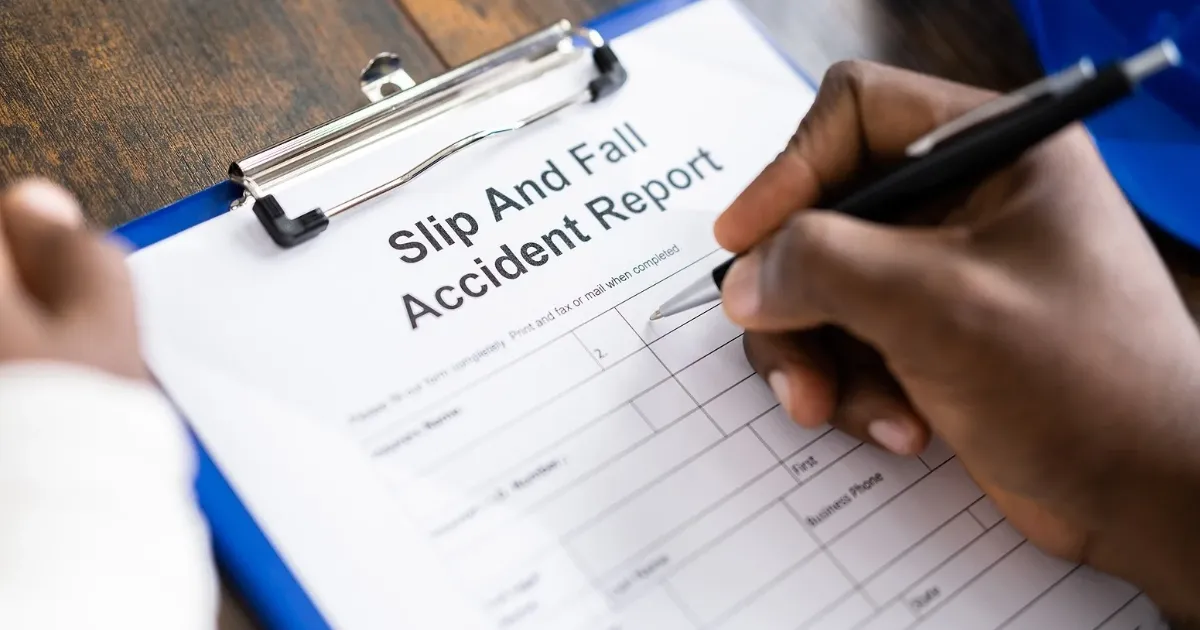
- Incident details: Record the date, time, exact location, what happened, and what you observed before and after the fall. Ask whether an incident report was made and keep any copy you receive.
- Witness information: Write down names and contact details for people who saw the fall or the hazard. Note what each person observed.
- Footwear and clothing: Keep the shoes and clothes you wore in their post-fall condition, if possible. They may help clarify the surface and circumstances of the fall.
- Medical records: Keep records of your evaluation, diagnosis, treatment, and follow-up care. Tell medical providers how you were injured and describe your symptoms accurately.
- Prior reports and repairs: Preserve any complaint or repair information you have. Ask that relevant inspection, cleaning, maintenance, and repair records be retained.
Note the lighting and conditions as soon as you can. Conditions can change after a spill is cleaned or a damaged area is repaired, and surveillance footage often does not remain available for long.
How Does Your Reason for Being on the Property Affect Your Case?
In Virginia, the duty a property owner owes you depends on why you were on the property. Most slip and fall cases involve one of three types of visitors:
- Invitees: People on the property for the owner’s business, such as store customers or hotel guests. Owners owe invitees the “highest duty.” They must use reasonable care to keep the property safe and fix or warn about hazards they know about or should have found.
- Licensees: People on the property with permission but for their own purposes, such as social guests at a friend’s home. Owners generally must warn licensees about hidden dangers they know about and avoid recklessly or intentionally causing harm, but they usually do not have to inspect for hazards.
- Trespassers: People on the property without permission. Owners generally owe trespassers very limited protection, though exceptions can apply.
Because invitees receive the most protection, most slip and fall claims involve businesses like stores, restaurants, and hotels.
What Defenses Will the Property Owner Use?
A property owner may argue that there was no dangerous condition, that the owner lacked notice, or that the hazard did not cause your injury. The owner may also argue that the hazard was open and obvious, that a warning was adequate, or that your own actions contributed to the fall.
Frequently Asked Questions (FAQs):
Do I need video to win a slip and fall case?
No. Photos, witness accounts, incident and maintenance records, and medical documentation can also help establish what happened and whether the owner had notice.
What if there was a wet floor sign?
A wet floor sign does not bar you from filing a claim. Its placement and visibility, what hazard it warned about, and whether the owner took reasonable steps to address the condition can matter.
What if I did not report the fall right away?
A delay can make details harder to verify and gives the owner a reason to question what happened. Report it as soon as you can and explain the reason for the delay if asked.
Can I still prove my claim if no one witnessed the fall?
Yes. Your account, photographs, video, physical evidence, medical records, and property inspection or maintenance records may help establish how the fall happened even without an eyewitness.
Does an incident report decide who is at fault?
No. A report records information about the incident, but it does not by itself establish legal responsibility. Anchor Legal® provides legal advice and representation in personal injury litigation, and a lawyer can assess a report alongside other available evidence.
An Experienced Virginia Beach Slip and Fall Lawyer at Anchor Legal® Helps Injured Victims Prove Their Claims
If you need help proving a slip and fall case in Virginia, a Virginia Beach slip and fall lawyer at Anchor Legal ® is here to help you build a case to stand up to the state’s strict contributory negligence rule. Our firm understands how insurance companies and defense lawyers evaluate slip and fall claims, and we use that knowledge to pursue compensation. To schedule a free consultation, call today at 757-LAW-0000 or contact us online. Located in Virginia Beach, Virginia, we proudly serve clients in the surrounding areas.