

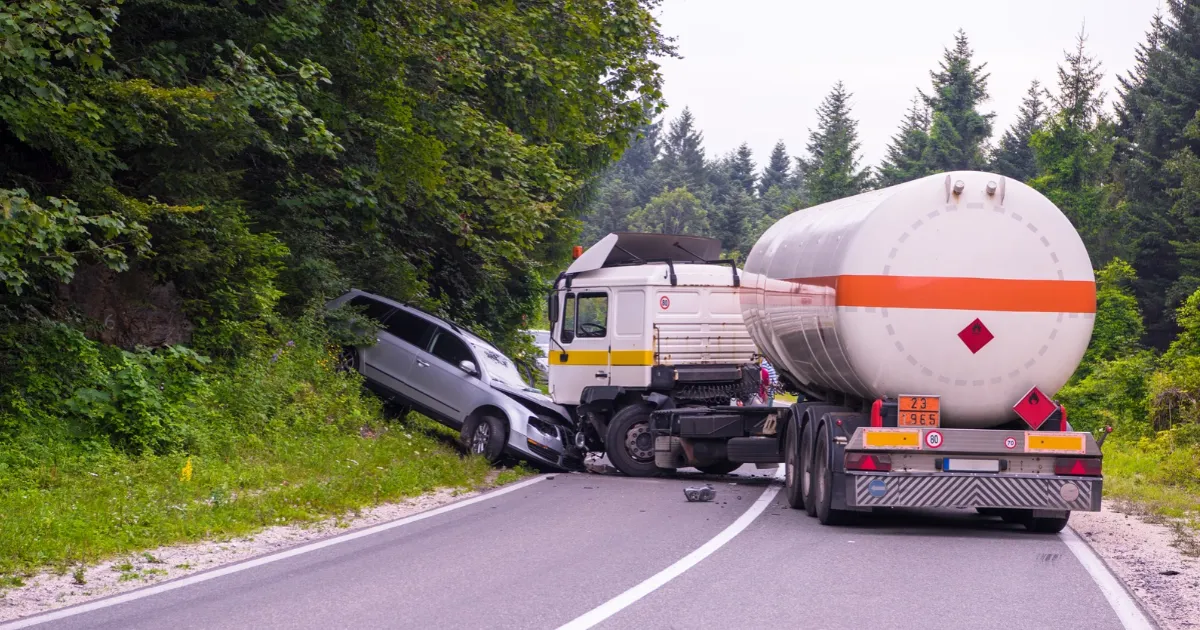
Truck accidents and car accidents can both cause serious injuries, substantial property damage, and other losses. However, if you are involved in a truck accident, the claims process can be much more complicated than filing a claim after an accident involving another passenger vehicle. There are a number of factors that can affect the outcome of a truck accident claim, including commercial insurance policies, federal safety rules, and the fact that there may be multiple liable parties. Whether the crash involves a tractor-trailer, a delivery truck, or a passenger vehicle, it is important to understand how liability, insurance, evidence, and other factors can impact your claim. An experienced car accident lawyer will examine the details of the accident, help you navigate every step of the claims process, and pursue the maximum financial compensation you deserve.
Why Truck Accident Claims Are More Complex
Truck accident claims are often more complicated than car accident claims for several reasons, including the following:
- Multiple parties may be liable. In a typical car accident, there is generally one person who is responsible for causing the accident. Truck accidents can involve multiple responsible parties, including the truck driver, the trucking company, the cargo loading company, and the truck or parts manufacturer.
- Truck accidents often cause more serious injuries. Due to the massive size and weight of the average truck compared to a passenger vehicle, the injuries involved in a truck accident are often devastating, including Traumatic Brain Injuries (TBIs), spinal cord damage, broken bones, internal injuries, and amputations. When calculating damages, the following must be considered:
– Current and future medical expenses
– Lost wages and loss of future earning capacity
– Pain and suffering
– Long-term care
– Permanent disabilities - Federal trucking regulations may apply. Truck drivers and truck companies must follow federal safety regulations that address driver fatigue, driver qualifications, vehicle maintenance, and cargo safety.
- Truck accidents require more detailed evidence. Truck accident investigations often require additional evidence that may not be available in a typical car accident, including:
– Electronic data from the truck black box
– Electronic driving logs showing when the driver was working and driving
– Dashcam footage
– Inspection and maintenance records
– Driver training and qualification records
– Dispatch messages and delivery schedules - Commercial insurance claims involve more disputes. Commercial trucks often have much larger policies than passenger vehicles. However, insurers may dispute who caused the accident, whether the injuries were caused by the crash, and how much compensation is justified.
- Calculating compensation can be more complicated. Considering the severity of the truck accident injuries, determining the full value of a claim can require help from medical professionals, vocational experts, and financial specialists.
How Much Insurance Do Commercial Trucks Carry?
Commercial trucking policies may provide much higher liability limits than ordinary personal auto policies. Federal rules require certain interstate motor carriers to carry minimum financial responsibility coverage, with the required amount depending on the type of operation and cargo. For many general freight carriers operating commercial vehicles weighing at least 10,001 pounds in interstate commerce, the federal minimum is $750,000. Different requirements may apply to other operations.
Keep in mind that a higher policy limit does not guarantee that you will receive a sizable settlement. You still need to establish liability, prove damages, and identify the insurance coverage that applies. Truck accident cases may also involve several insurance policies. For example, the truck driver’s employer, a separate trailer owner, or another business could have relevant coverage, depending on the facts and contractual arrangements.
Who Can Be Held Liable for a Truck Accident?
In Virginia, there are several parties that may be liable for a truck accident, depending on what caused the accident and whether negligence was involved. Due to the substantial medical expenses, lost income, property damage, and long-term injuries associated with a serious truck accident, identifying all potential liable parties is extremely important. They include the following:
- The truck driver. A truck driver may be liable if careless or unsafe driving causes a crash. Examples include:
– Speeding. Driving too fast for traffic, road conditions, or weather.
– Distracted driving. Using a phone or paying attention to something other than the road.
– Driver fatigue. Driving while too tired to react safely.
– Impaired driving. Operating a truck under the influence of alcohol or drugs.
–Unsafe lane changes. Moving into another lane without checking blind spots.
– Following too closely. Failing to leave enough space to stop safely.
– Evidence such as police reports, witness statements, dashcam footage, and electronic truck data may help establish whether the driver caused the accident.
- The trucking company. A trucking company may also be liable for a crash caused by one of its drivers. Under certain circumstances, employers are legally responsible for careless acts their employees commit while doing their jobs.
- The truck or trailer owner. The owner could be liable if they failed to address dangerous mechanical problems, neglected required maintenance, or allowed an unqualified driver to use the vehicle when the law permits liability on those facts.
- The cargo-loading company or shipper. Improperly loaded cargo can make a truck difficult to control. If cargo shifts, falls onto the road, or makes the truck unstable, the company responsible for loading or securing it may share liability.
- A truck maintenance or repair company. Commercial trucks need regular inspections and repairs to operate safely. If an outside mechanic or maintenance company performs faulty work that contributes to a collision, that business may be liable.
- The truck or parts manufacturer. A manufacturer may be responsible if a defective part, such as a tire, steering component, or braking system, causes or contributes to a crash. These claims often require technical inspections and expert evidence.
- A government agency or road maintenance contractor. A government agency or private road contractor may be liable if its legally actionable negligence contributed to the collision. However, claims against government entities can involve special legal protections and notice requirements, so these cases need careful review.
What Federal Trucking Rules Can Help Prove Fault?
Commercial drivers and trucking companies must follow Virginia traffic laws as well as a complex set of federal rules enforced by the Federal Motor Carrier Safety Administration (FMCSA), which include the following:
- Hours of Service (HOS) Rules: Federal law strictly limits how many consecutive hours a truck driver can operate a vehicle without taking mandatory rest breaks. These rules exist to prevent driver fatigue.
- Drug and alcohol testing: Trucking companies are required to conduct random drug and alcohol screenings, as well as pre-employment and post-accident testing.
- Mandatory maintenance records: Federal law requires trucking companies to keep detailed logs of routine inspections, repairs, and maintenance for every vehicle in their fleet.
- Weight limits and loading rules: There are strict federal rules regarding maximum axle weights and how cargo must be tied down and secured.
Does Contributory Negligence Apply to Truck Accidents in Virginia?
Virginia follows the strict “contributory negligence” rule, which states that if you are found to be even 1% at fault for causing a truck accident, you may be prohibited from recovering any damages. This can be financially devastating, particularly if you suffered serious injuries that require extensive and ongoing medical care. Truck companies often have a team of highly paid lawyers who will resort to a range of tactics to claim that you were partly at fault in order to avoid paying a sizable financial settlement.
Frequently Asked Questions (FAQs):
How long do I have to file a personal injury claim in Virginia?
Whether you were in a car accident or a truck accident, you have two years from the date of the accident to file your claim. Keep in mind that truck accidents often require a more thorough investigation, so it is important to start the claims process as soon as possible.
What compensation am I entitled to after a car or truck accident?
The damages you are entitled to will depend on the severity of your injuries, the evidence available, and the facts of the case. Potential damages include the following:
- Medical expenses
- Lost income
- Loss of future earning capacity
- Property damage
- Pain and suffering
How can a truck accident lawyer help me with my case?
If you were seriously injured in a truck accident, recovering the damages you are entitled to can be a complicated process. It is in your best interest to consult with an experienced truck accident lawyer who will identify the liable party or parties, challenge unsupported accusations, and pursue the maximum financial compensation you deserve.
An Experienced Virginia Beach Truck Accident Lawyer at Anchor Legal ® Represents and Protects the Rights of Truck Accident Victims
If you or someone you know suffered a serious injury in a truck accident, it is highly recommended that you contact a Virginia Beach truck accident lawyer at Anchor Legal ® as soon as possible. We will work tirelessly to protect your legal rights, avoid being held liable, and negotiate the best possible settlement outcome. To schedule a free consultation, call today at 757-LAW-0000 or contact us online. Located in Virginia Beach, Virginia, we proudly serve clients in the surrounding areas.