

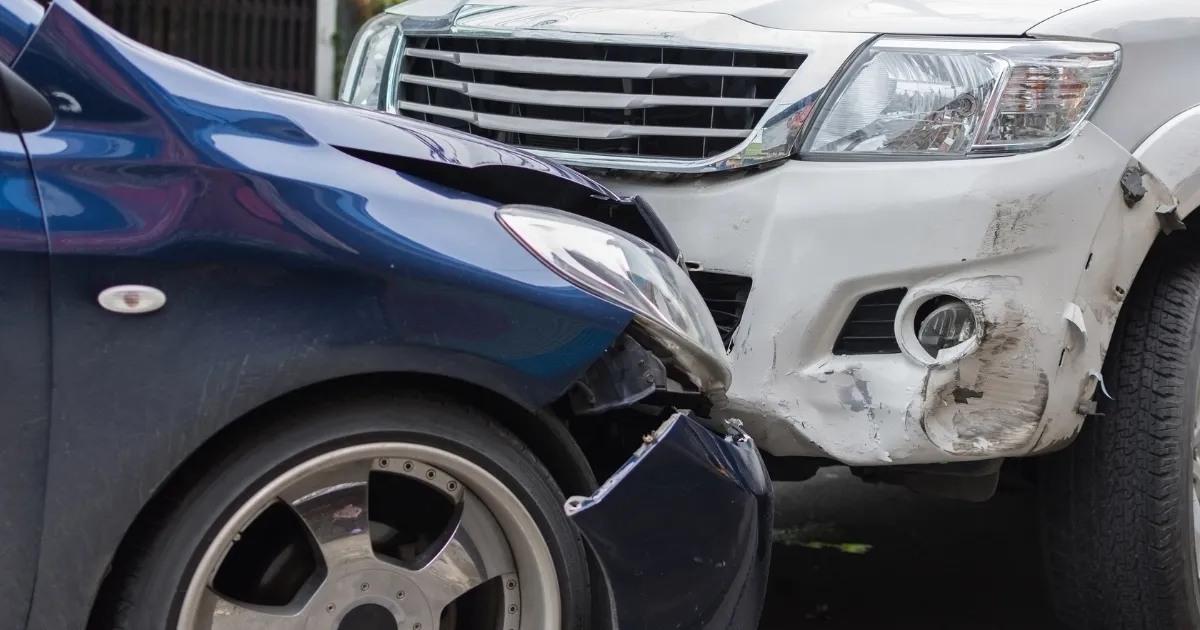
The moments immediately following a car accident can be extremely chaotic and stressful, particularly if you suffered serious injuries and significant property damage. Once the initial shock of the crash starts to fade, and you start to assess the situation, you may be wondering who is responsible for covering your medical expenses, property damage, and other losses associated with the accident. This will depend on a range of factors, including who was responsible for causing the accident, whether the at-fault motorist is insured, and the insurance coverage available. An experienced car accident lawyer will determine who is responsible for causing the accident, help you navigate the claims process, and pursue the maximum financial compensation you deserve.
What Are Virginia’s Minimum Car Insurance Requirements?
Effective January 1, 2025, Virginia law increased the required minimum insurance limits, which are sometimes written as 50/100/25. The first number refers to bodily injury to one person, the second applies to bodily injury to two or more people, and the third applies to property damage. For policies effective on or after that date, the minimum liability limits are:
- $50,000 for bodily injury or death of one person in a car accident
- $100,000 for bodily injury or death of two or more people in a car accident
- $25,000 for property damage caused by the car accident
These are minimum requirements that all motorists in Virginia are required to carry. Some motorists purchase higher limits for additional protections.
What Changed, and When?
Virginia’s auto insurance rules changed in two major phases, including the following:
- July 1, 2024 – Virginia eliminated the uninsured motor vehicle fee. Prior to July 1, 2024, Virginia allowed motorists to register a vehicle without purchasing insurance by paying a $500 Uninsured Motor Vehicle (UMV) fee. Virginia eliminated that option, which means that all vehicles registered in Virginia generally must have an insurance policy that meets the state’s liability requirements.
- January 1, 2025 – minimum liability limits increased.
– Bodily injury per person increased from $30,000 to $50,000
– Bodily injury per accident increased from $60,000 to $100,000
– Property damage per accident increased from $20,000 to $25,000
Can You Still Pay a Fee to Drive Uninsured in Virginia?
Virginia drivers are no longer allowed to pay a $500 fee to register an uninsured vehicle. Virginia now requires registered vehicles to have the required liability insurance, or qualify through an approved alternative such as self-insurance. Effective 2026, motorists driving an uninsured vehicle may face a $600 non-compliance fee, license and registration suspension, and an SR-22 requirement rather than simply paying a fee to legally remain uninsured.
An “SR-22” is a certificate of financial responsibility required for high-risk drivers. This is not an insurance policy itself. Rather, it is a form filed by your insurance company with the Virginia DMV to certify that you carry the state’s minimum liability coverage.
Why Minimum Coverage Often Is Not Enough After a Serious Crash
While the minimum coverage amounts may be enough to satisfy Virginia’s legal requirement, it may not be sufficient to cover the total losses associated with a serious car accident. Even with the increased minimum requirements in Virginia, an at-fault driver’s insurance may be insufficient to cover the total losses. The following are common reasons why minimum car insurance coverage may fall short:
- Medical bills can quickly exceed $50,000. Emergency treatment, surgery, hospitalization, rehabilitation, and follow-up care can create substantial expenses after a serious crash.
- Lost income adds to the damages. A serious injury may prevent someone from working for weeks, months, or longer. The financial loss can continue even after the insurance policy limit has been reached.
- Long-term injuries can be expensive. Permanent disabilities, chronic pain, future medical treatment, and the need for assistance can make the actual value of a claim much higher than the at-fault driver’s policy limits.
- Multiple people may share the same policy limits. If several people are injured, the $100,000 per-accident limit may have to cover all qualifying injury claims, rather than providing $100,000 to each person.
- Property damage has its own limit. The minimum $25,000 property-damage coverage may not be enough when a newer or expensive vehicle is totaled or when multiple vehicles are damaged.
- The other driver may have too little insurance. Virginia law recognizes a vehicle as underinsured when the available liability coverage is less than the damages sustained, which is why Underinsured Motorist (UIM) coverage can be important.
What Happens if Your Damages Exceed the At-Fault Driver’s Policy?
Insurance companies generally do not pay more than the available policy limit. However, if your total damages exceed this policy limit, you may have other options for recovering additional compensation, including the following:
- You may be able to use your underinsured motorist coverage. Virginia requires auto policies to include Underinsured Motorist (UIM) coverage, subject to the choices and limits allowed under the law. A motorist is considered underinsured when the available liability coverage is less than the damages sustained, up to the amount of applicable UIM coverage. For example, if your total damages equal $150,000, and the at-fault driver’s liability coverage is $50,000, you can pursue your UIM coverage for the remaining $100,000.
- You may be able to pursue the driver personally. If your total losses exceed the available insurance, you may be able to recover the remaining damages from the at-fault driver. However, the driver’s income and assets will determine how much you will be able to collect.
- There may be other insurance. Depending on the accident, additional coverage may be available, including another applicable auto policy or an excess/umbrella policy. You must identify all possible applicable insurance before accepting a settlement. Virginia law provides a process for requesting disclosure of an at-fault driver’s policy limits. Under certain circumstances, the insurer must disclose those limits after receiving documentation such as medical records, medical bills, and wage-loss information.
Which Optional Coverages Can Protect You?
There are a number of optional auto insurance coverage options that protect you after a car accident in Virginia, particularly when the at-fault driver’s insurance is insufficient, or you need to pay your own expenses. The following are examples of additional coverage options:
- Uninsured/Underinsured Motorist (UM/UIM) coverage. This can help if the at-fault driver has no insurance, has too little insurance to cover your losses, or in certain hit-and-run situations. Virginia’s Bureau of Insurance identifies UM/UIM as an important protection for injuries and property damage caused by uninsured or underinsured drivers.
- Collision coverage. This helps pay to repair or replace your vehicle after a collision, regardless of who caused the crash, subject to your deductible and policy terms.
- Comprehensive coverage. This covers many types of vehicle damage that are not caused by a collision, such as theft, fire, hail, flooding, wind, vandalism, and falling objects.
- Medical expense/MedPay coverage. This can pay reasonable and necessary medical and funeral expenses for you and your passengers after an accident, regardless of fault, subject to the policy’s limits.
- Loss-of-income coverage. Some Virginia policies offer benefits if an injury leaves you unable to work. The state’s insurance shopping worksheet describes coverage of up to $100 per week for 52 weeks.
- Transportation/rental expense coverage. This can help pay for a substitute vehicle while your car is being repaired or is otherwise unavailable because of a covered loss.
Frequently Asked Questions (FAQs):
How does fault impact my car accident claim?
Virginia follows the “contributory negligence” rule, which states that if you are found to be even 1% at fault, you may be prohibited from recovering any damages, regardless of your insurance coverage.
Should I accept the other driver’s insurance company’s settlement offer?
Before you accept a settlement offer, it is important that you understand the full value of your losses, including ongoing medical care you may need. Once you accept a settlement, it is unlikely that you will be able to seek additional compensation from the same claim.
When should I contact a car accident lawyer about insurance limits?
It is highly recommended that you contact an experienced car accident lawyer as soon as possible, particularly if you suffered serious injuries and other losses. A car accident lawyer will determine who is responsible for causing the accident, review the available insurance coverage, and pursue the maximum financial compensation you deserve.
An Experienced Virginia Beach Car Accident Lawyer at Anchor Legal ® Offers Sound Legal Guidance and Assists Clients With Car Accident Claims
If you were injured in a car accident and you have questions about the claims process and how car insurance minimums will impact your claim, do not hesitate to contact a Virginia Beach car accident lawyer at Anchor Legal ®. We will address all of your questions and concerns, help you navigate every step of the claims process, and negotiate the best possible settlement outcome. To schedule a free consultation, call today at 757-LAW-0000 or contact us online. Located in Virginia Beach, Virginia, we proudly serve clients in the surrounding areas.