

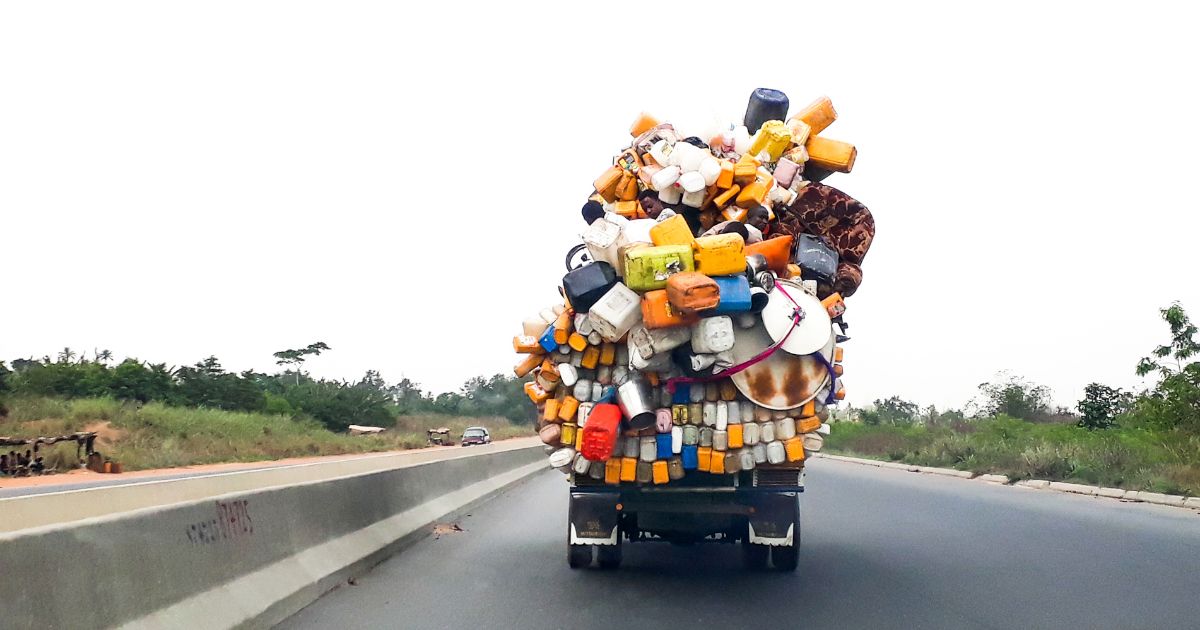
A fully loaded commercial truck can legally weigh up to 80,000 pounds when it uses a five-axle combination. Smaller trucks have lower legal weight limits. Trucking companies and drivers are required to ensure that vehicles are properly loaded and do not exceed these limits.
Unfortunately, in an effort to maximize profits, some trucks are overloaded, either intentionally or through careless practices. This increases the risk of serious truck crashes that can result in catastrophic injuries, extensive property damage, and loss of life. If you or a loved one has been hurt in an overloaded truck crash, it is important to speak with an experienced truck accident lawyer as soon as possible.
What Are the Most Common Causes of Overloaded Truck Accidents?
Crashes involving overloaded trucks can be especially severe, often involving multiple vehicles and life-threatening injuries. These accidents are largely preventable when those involved in the trucking industry follow safety regulations. Common causes of overloaded truck accidents include:
- Deliberately exceeding weight limits to increase cargo loads and profits.
- Improper loading techniques that result in uneven weight distribution.
- Relying on faulty or inaccurate weighing equipment.
- Weak regulatory enforcement or oversight.
- Pressure to deliver more cargo due to high demand or driver shortages.
Why Are Overloaded Trucks Such a Safety Hazard?
Overloaded trucks are among the leading contributors to large truck crashes in Virginia and nationwide. When a truck carries too much cargo, it creates multiple risks for both the driver and others on the road. Key safety concerns associated with overloaded trucks include:
- Increased stopping distance. Heavy trucks already require more space to stop. When overloaded, braking systems are pushed beyond safe limits, making it much harder to stop in time to avoid a crash.
- Decreased stability. Overloading shifts the truck’s center of gravity, making rollovers and loss of control more likely, especially during turns or lane changes.
- Tire wear and blowouts. Too much weight accelerates tire wear and increases the risk of blowouts. A blown tire can cause the driver to lose control of the truck, putting nearby vehicles at risk.
- Reduced visibility. Cargo that is improperly loaded or stacked too high may block the driver’s field of vision, making it harder to check blind spots or navigate traffic safely.
What Steps Should I Take Following an Overloaded Truck Accident?
After a truck accident, your first concern should be your safety and health. If you are able, call 911 immediately so that law enforcement and emergency responders can assist you. After emergency services have been dispatched, take the following steps:
- Seek medical care right away, even if your injuries seem minor. Some symptoms may not appear immediately, and a medical exam ensures your injuries are documented.
- Take photos of your injuries, vehicle damage, the accident scene, and the truck itself, especially if you can document signs of an overloaded cargo.
- Notify your insurance company, but only provide basic facts. Mention that the truck appeared to be overloaded, but avoid speculating or admitting fault.
- Contact a truck accident lawyer. These cases are more complex than typical car accidents and may involve multiple liable parties. A lawyer can identify who is responsible, gather key evidence such as black box data, maintenance logs, and driver records, and negotiate a fair settlement on your behalf.
Virginia Beach Truck Accident Lawyers at Anchor Legal® Represent Victims of Overloaded Truck Accidents
If you or someone you care about was hurt in a crash involving an overloaded truck, reach out to the Virginia Beach truck accident lawyers at Anchor Legal®. To schedule a free consultation, call 757-LAW-0000 or contact us online. Our office is located in Virginia Beach, and we serve clients throughout Chesapeake, Norfolk, Suffolk, Portsmouth, Newport News, Hampton, Williamsburg, and Eastern Shore, Virginia.