

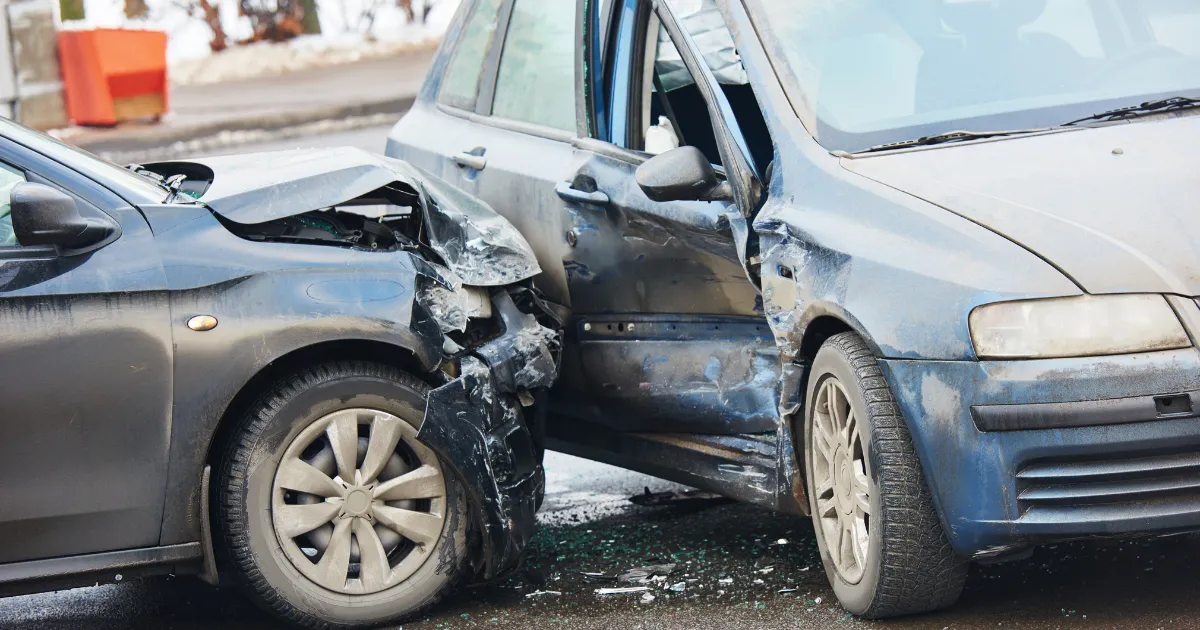
Due to the high volume of traffic, multiple lanes, and turning points, the intersection at Independence Boulevard and Virginia Beach Boulevard is one of the most dangerous intersections in Virginia Beach. If a motorist involved in a car accident at an intersection was speeding, distracted, or engaging in any other negligent behavior, they will likely be held liable for the resulting accident. However, there are situations where the condition of the intersection contributed to the crash. For example, if the city, county, or local government fails to maintain public roads and ensure that traffic control devices are working properly, particularly at dangerous intersections, they may be liable for a resulting car accident. If you were seriously injured in a car accident at a dangerous intersection, a Virginia Beach car accident lawyer will determine who is responsible for the accident, assist you with the claims process, and pursue the maximum damages to which you are entitled.
What Makes an Intersection Dangerous?
Not every intersection is dangerous, particularly if motorists are obeying the rules of the road and the traffic control devices are keeping the flow of traffic moving safely. However, some intersections have characteristics that can create hazardous conditions and increase the risk of a serious accident. They include the following:
- Poor visibility caused by overgrown trees, shrubs, and other vegetation
- Malfunctioning traffic signs
- Missing stop signs
- Faded lane markings
- Confusing lane layouts
- Poor lighting at night
- Inadequate warning signs
- Drainage problems that create standing water
- Road surfaces with potholes or uneven pavement
Who Is Responsible for Controlling Intersections in Virginia?
The entity responsible for controlling intersections in Virginia depends on who owns and maintains the road where the intersection is located. Oftentimes, more than one government entity has a role. The following are examples of municipalities that may be liable for a car accident that occurs at a dangerous intersection:
- Virginia Department of Transportation (VDOT). VDOT is responsible for designing, installing, operating, and maintaining traffic control devices, including traffic signals, stop signs, pavement markings, and roadway lighting on most state-maintained roads throughout the state. It also conducts traffic studies to determine whether changes to a dangerous intersection are necessary.
- Cities and towns. If roads fall under the jurisdiction of a city or town, the local government is generally responsible for intersection design, traffic signals, stop signs, and other traffic control measures. Virginia law allows these local governments to designate stop and yield intersections on roads they control.
- Law enforcement. In some cases, police officers may take temporary control of traffic during emergencies, car accidents, special events, or periods of heavy traffic. If the police officer was distracted or gave conflicting signals that resulted in a car accident, they may be liable for the crash.
When Can a Municipality Be Held Liable for a Dangerous Intersection Accident?
Government agencies are generally expected to maintain roadways to ensure that they are safe for the public. If they fail to address a condition that can make an intersection dangerous, they may be liable for a resulting accident. Examples of hazardous conditions include the following:
- Broken traffic signals. If officials were aware of a malfunctioning traffic signal, but failed to repair it within a reasonable amount of time, this can increase the risk of the following:
– Side-impact, or T-Bone accidents
– Rear-end collisions
– Multi-vehicle accidents
– Confusion about who has the right-of-way - Missing or damaged traffic signs. If a stop sign has been knocked down, or a yield sign is obstructed by overgrown trees, this can create dangerous conditions at an intersection.
- Dangerous road maintenance issues. Road conditions can become hazardous when maintenance is delayed at busy intersections. For example, the following can create dangerous conditions if they are not addressed:
– Large potholes
– Cracked pavement
– Uneven road surfaces
– Flooding caused by poor drainage
– Loose gravel
– Debris left on the roadway - Poor visibility. Motorists need adequate visibility when approaching intersections. The following can create visibility problems and create a dangerous intersection:
– Trees blocking traffic signs
– Bushes covering stop signs
– Overgrown grass
– Structures obstructing views
– Improperly placed barriers
What Are the Most Common Car Accidents That Occur at Dangerous Intersections?
Several types of car accidents are more likely to occur at a dangerous intersection, including the following:
- Side-impact collisions. Also known as “T-bone” collisions, these occur when the front of one vehicle crashes into the side of another, often resulting in serious injuries. Contributing factors include:
– Broken signals
– Missing stop signs
– Poor visibility - Rear-end collisions. Poorly timed signals or confusing traffic flow can cause a motorist to brake suddenly, leaving the approaching driver with little time to slow down and stop before hitting the other vehicle.
- Left-turn accidents. Making a left turn at an intersection requires drivers to successfully judge the speed, distance, and visibility of oncoming vehicles before making a turn. If the turn lane is poorly designed, or the view is obstructed, this creates a hazardous condition.
- Multi-vehicle crashes. Busy intersections involve numerous vehicles traveling in different directions. Oftentimes, when one collision occurs, there is a chain reaction of crashes that can involve several additional vehicles.
How Does Government Immunity Impact Dangerous Intersection Accidents?
In order to understand whether a municipality can be held liable for a car accident at a dangerous intersection, you must have a general understanding of the legal concept known as “sovereign immunity.” This is a legal doctrine that originated in English law and is based on the principle that “the king can do no wrong.” In modern terms, it means that government entities like state agencies, counties, and cities are generally protected from being sued. However, sovereign immunity is not an absolute shield for every government body in Virginia. The following are examples of how the law treats certain municipalities differently:
- Counties. In Virginia, counties like Fairfax, Chesterfield, and Henrico act as direct arms of the state government. This means that they are protected by sovereign immunity. Suing a county for a dangerous intersection can be extremely difficult.
- Cities and towns. Cities like Richmond, Virginia Beach, and Roanoke do not receive the same sweeping protections as counties. Virginia courts will look at the type of action the city was performing to determine whether conditions that created a dangerous intersection were created or ignored.
How Do Courts Determine Whether a City Is Responsible for a Dangerous Intersection?
If you intend to file a personal injury lawsuit after you were injured in a car accident at an intersection, the court will consider the following two-part test to determine whether the city is liable for the accident:
- Governmental functions (protected from lawsuits). These are high-level decisions that involve public policy, planning, safety regulations, and political discretion. If a car accident occurs at an intersection that was poorly designed 30 years ago, or the city did not install a left-turn-only light due to budget constraints, sovereign immunity generally shields the city from liability. Examples of protected governmental functions include:
– Road planning and design. This includes deciding how many lanes an intersection should have, or setting a speed limit.
– Traffic control selection. This involves deciding whether an intersection should have a roundabout, a stop sign, or a full traffic light system.
– Budget allocation. This is the process of prioritizing which city projects get funded first. - Proprietary functions (NOT protected from lawsuits). These are routine operational tasks similar to those performed by private businesses or property managers. In Virginia, the routine maintenance of public streets, sidewalks, and intersections is considered a proprietary function. The following are examples of proprietary maintenance tasks that a city may be held liable for:
– Failing to repair road defects, including large potholes or crumbling asphalt at intersections.
– Ignoring physical hazard obstructions, including overgrown bushes or low-hanging trees that obstruct stop signs or traffic signals.
– Failing to repair traffic hardware, including broken traffic signals or a downed stop sign after the problem was reported.
What Evidence Do I Need to Prove That an Intersection Was Dangerous?
In order to recover the damages you are entitled to and ensure that the negligent party or parties are held liable, you will need to prove that the dangerous intersection contributed to the crash. The following are examples of evidence that can help prove your claim:
- Copy of the police accident report
- Photographs from the crash scene
- Surveillance video
- Dash cam footage
- Witness statements
- Traffic signal repair logs
- Roadway inspection reports
- Prior accident reports
An Experienced Virginia Beach Car Accident Lawyer at Anchor Legal ® Represents Victims of Dangerous Intersection Car Accidents
If you were seriously injured in a car accident at a dangerous intersection, do not hesitate to contact a Virginia Beach car accident lawyer at Anchor Legal. We will examine the details of the accident, determine whether the municipality failed to address the hazard that created the dangerous intersection, and negotiate the best possible settlement outcome. Our dedicated legal team will work tirelessly to ensure that the negligent party is held liable for their actions. To schedule a free consultation, call today at 757-LAW-0000 or contact us online. Located in Virginia Beach, we proudly serve clients in the surrounding areas.