

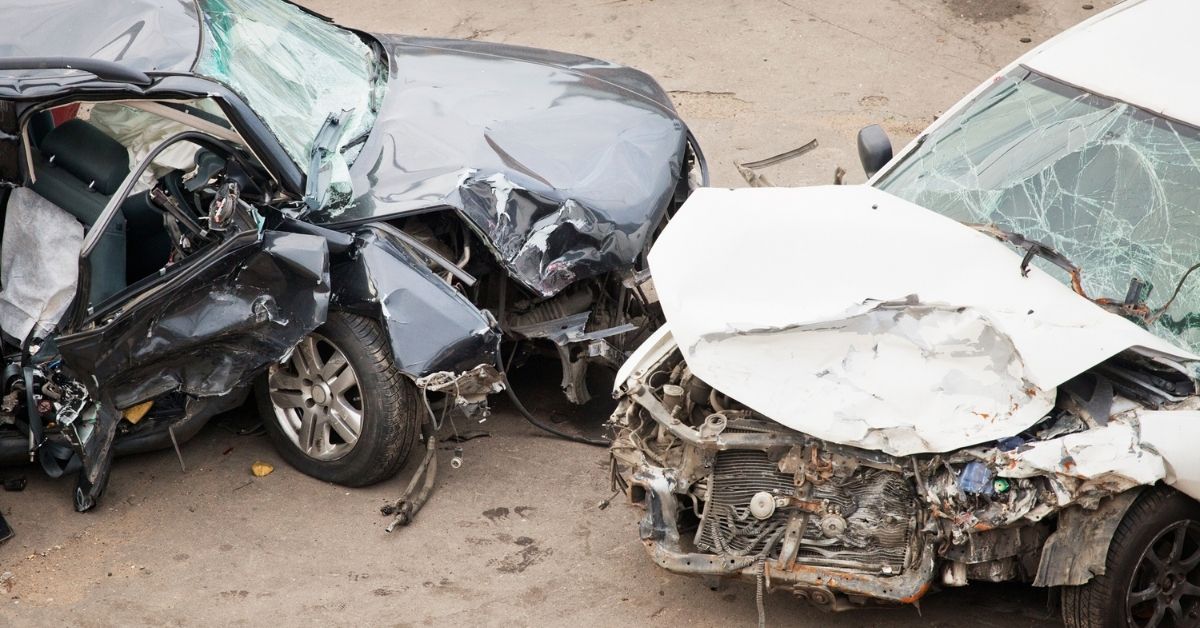
When two vehicles traveling in opposite directions strike each other front-to-front, the combined force of impact can be catastrophic. Head-on collisions leave little room for error and can result in severe injuries or fatalities. The aftermath of these traumatic events can be chaotic, leaving those involved injured and uncertain about what steps to take next. Being aware of the dangers associated with head-on collisions helps individuals recognize the severity of these car accidents and make informed decisions about seeking medical care and legal guidance.
Why Are Head-On Collisions So Deadly?
Head-on collisions are particularly dangerous because the force of impact is significantly magnified. When two vehicles moving at highway speeds collide front-to-front, their velocities combine to create a tremendous force. A car traveling at 50 mph, hitting another vehicle also moving at 50 mph, creates an impact equivalent to hitting a stationary object at 100 mph. This extreme force overwhelms vehicle safety systems and causes severe damage to both automobiles and their occupants.
What Types of Injuries Result From Head-On Crashes?
Head-on collisions frequently cause traumatic brain injuries, spinal cord damage, broken bones, internal organ injuries, and severe lacerations. The sudden deceleration can cause occupants to strike the steering wheel, dashboard, or windshield, despite seatbelt use. Also, airbags deploy with considerable force and can cause additional injuries. Passengers may suffer whiplash, chest trauma from seatbelt restraint, and lower extremity injuries from dashboard impact. Many survivors face lengthy recoveries, permanent disabilities, and ongoing medical treatment.
What Factors Contribute to Head-On Collisions?
Driver error accounts for most head-on collisions. Distracted driving, drowsy driving, and impaired driving all increase the likelihood of drifting across the center line. Or, aggressive drivers may attempt risky passing maneuvers on two-lane highways without adequate visibility. Poor weather conditions, such as rain, fog, or ice, can cause drivers to lose control and cross into oncoming traffic. Mechanical failures like tire blowouts or brake malfunctions may also lead to loss of vehicle control.
Can Road Design Influence Head-On Collision Rates?
Road design plays a significant role in preventing head-on collisions. Divided highways with physical barriers between opposing traffic lanes dramatically reduce these crashes, unless there are wide shoulders to provide recovery space for vehicles that veer off the roadway. Poor road maintenance, inadequate signage, and insufficient lighting all contribute to higher accident rates; rural roads with narrow lanes and no center barriers present particular hazards.
What Should Drivers Do to Avoid Head-On Collisions?
Defensive driving techniques can help prevent head-on collisions. Drivers should maintain proper lane position, avoid distractions, and stay alert for vehicles crossing the center line. When passing on two-lane roads, drivers must verify adequate sight distance and oncoming traffic clearance. Reducing speed in poor weather conditions and avoiding driving while fatigued or impaired are other critical safety measures. Staying focused on the road ahead allows drivers to recognize dangerous situations and take evasive action when necessary.
A Knowledgeable Virginia Beach Car Accident Lawyer at Anchor Legal ® Is Ready to Help You Get the Settlement You Deserve
If you need legal guidance following a head-on collision, contact a Virginia Beach car accident lawyer at Anchor Legal ®. For a free consultation, call today at 757-LAW-0000 or contact us online. Located in Virginia Beach, we proudly serve clients in the surrounding areas.